
Destination · Northern Tanzania
Fourteen thousand square kilometres of plains, woodland and river country — and the practical detail you need to decide how much of it your trip can hold.
What it is actually like
The short version
14,763 km², part of a wider ecosystem of around 35,000 km² that reaches into Kenya.
Seven to eight hours by road via Manyara and the Ngorongoro highlands, or about an hour by air to Seronera.
Roughly 920 to 1,850 metres. Seronera airstrip sits at 1,548 m.
Parts gazetted in 1952, boundaries enlarged in 1959. A World Heritage Site since 1981.
The migration — around 1.3 million wildebeest and 300,000 zebra — and some of the densest predator populations in Africa.
TANAPA, the Tanzania National Parks Authority. Entry fees are paid online.
What you will see
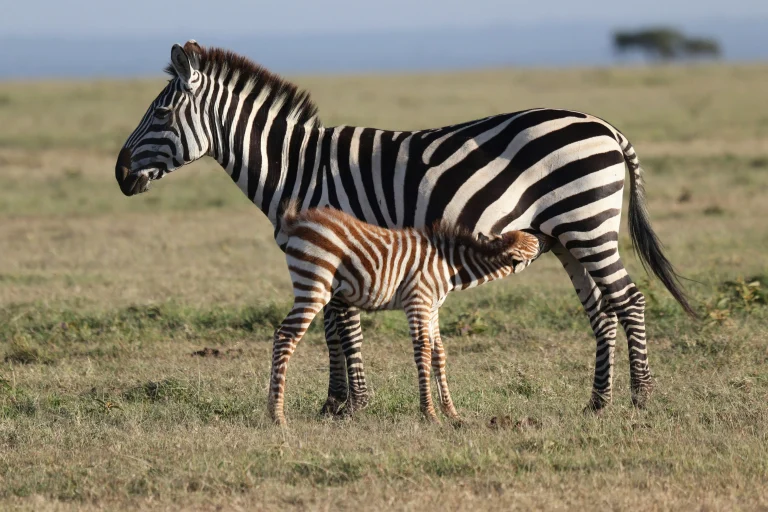
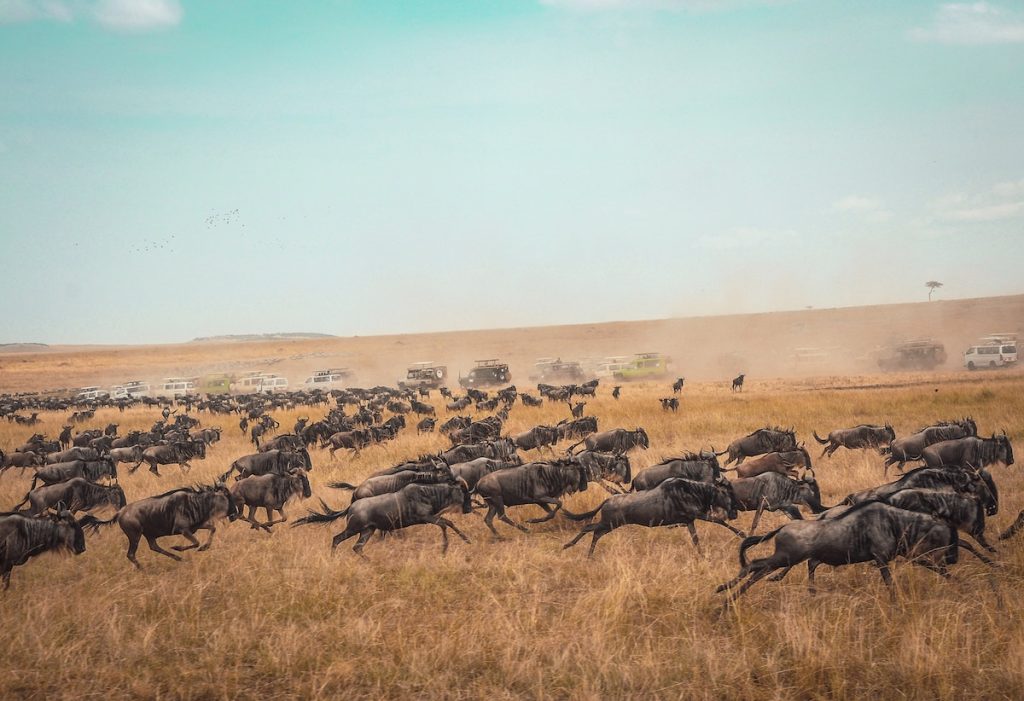
The reason most people come. Where they stand depends entirely on the month, and no operator can promise a river crossing.
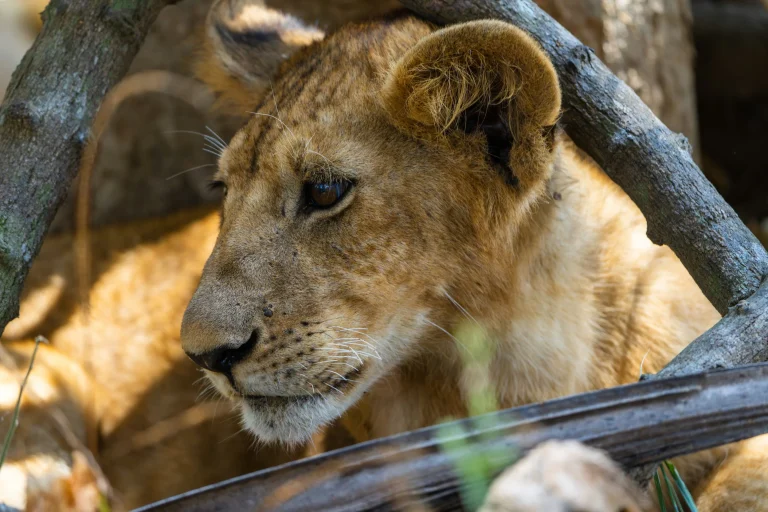
Close to certain on any multi-day visit. The Seronera valley holds prides that are seen almost daily.
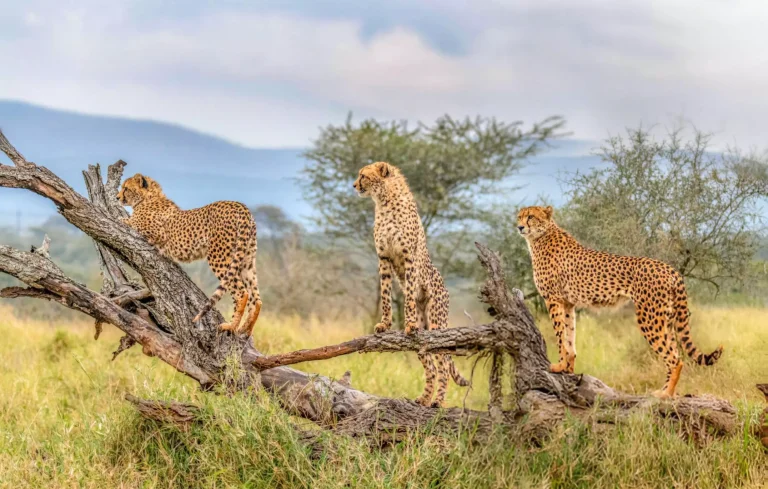
Best on the open southern plains, where they hunt in daylight and there is nothing to hide behind.
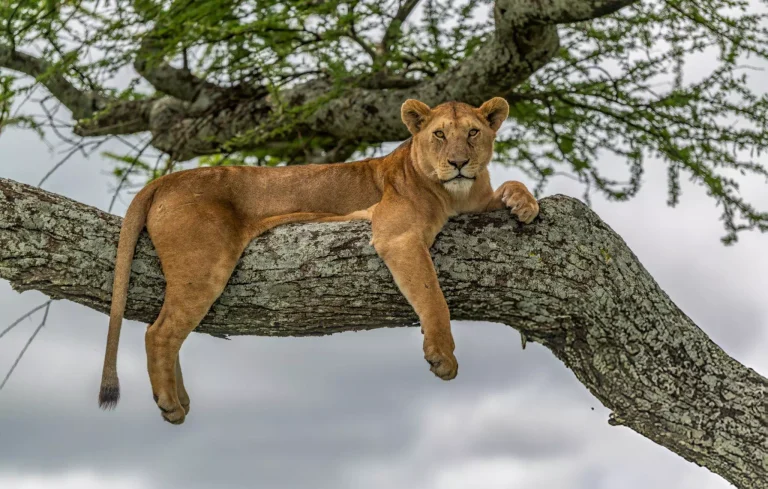
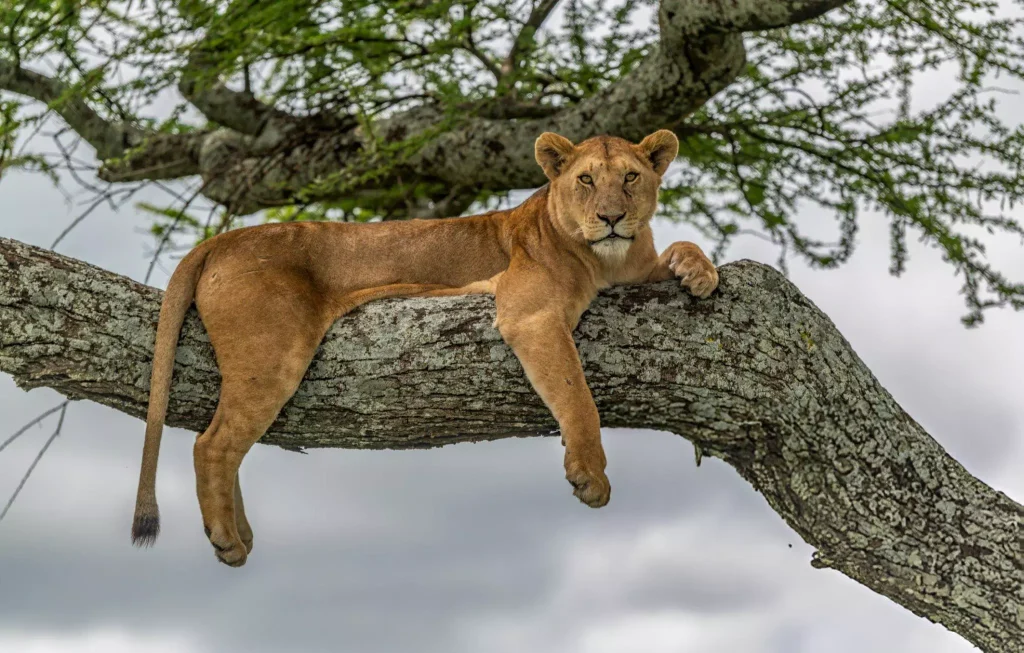
Likely rather than guaranteed. Seronera’s riverine trees are the place to look, and patience matters more than luck.
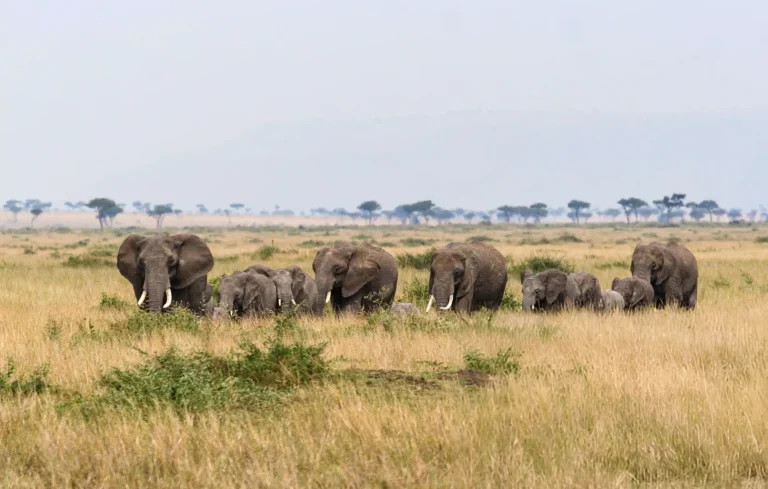
Common through the woodlands and the north, in family groups rather than the big dry-season gatherings you get in Tarangire.
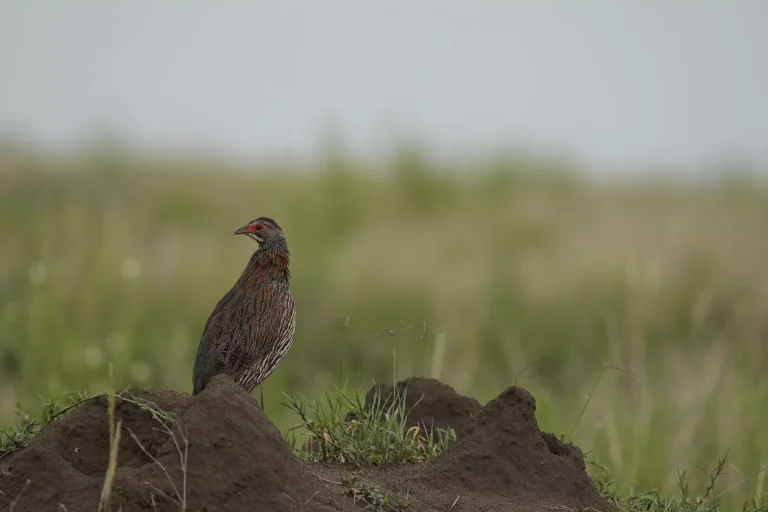
Over 500 species recorded. Raptors are everywhere; the plains hold ostrich, bustard and secretary bird.
When to go
Dry and busy. The herds push north and west, and the Mara River crossings fall in the later part of this window. The most reliable general game viewing of the year.
Calving on the southern short-grass plains, with predators in close attendance. Green, quieter and often the best value.
The long rains. Some camps close, tracks turn, and the park is at its emptiest and greenest. Cheap, beautiful, and a gamble.
How long to stay
Getting there
Seven to eight hours from Arusha through Manyara and the Ngorongoro highlands. Long, but it shows you the country between the parks, and the crater is on the way.
Airstrips at Seronera in the centre, Kusini in the south, Lobo in the east, Kirawira in the west, and Kogatende and Lamai in the north. Flying buys back two days on a short trip.
Naabi Hill is the main eastern entry. Others include Ndutu, Kusini, Ikoma, Handajega, Kirawira, Lamai and Klein’s. Fees are paid online before arrival.
Good to know
Seronera to Kogatende is a full day’s drive. Moving between regions costs you game-viewing time, which is why we build trips around one or two areas.
Vehicles must stay on tracks. Much of the footage people arrive expecting was filmed under permits that ordinary safaris do not have.
Seronera in high season can put a dozen vehicles on one leopard. Early starts and quieter sectors are the only real answer.
Available in the north, south and centre. Pre-dawn start, about an hour aloft, and cancellations for wind do happen.
Guided walking safaris are permitted in designated areas with an armed ranger — a different pace, and worth a morning.
Black rhino are being reintroduced in the north and south, but the crater remains the better chance. Nobody should promise you one.
The journeys
Every one of these spends real time in the Serengeti rather than passing through it.
01
8 days · Serengeti & Ngorongoro
Timed to where the herds actually are, month by month. River crossings in season, calving on the southern plains in others — the route changes because the animals do.
Mid-range from $3,300 · Luxury from $6,300
View this journey →
02
8 days · Built for the light
Beanbags, patient sightings and golden-hour positioning. Fewer parks, longer in each, and a guide who understands why you want the vehicle moved two metres left.
Mid-range from $3,600 · Luxury from $7,000
View this journey →
03
11 days · Safari & beach
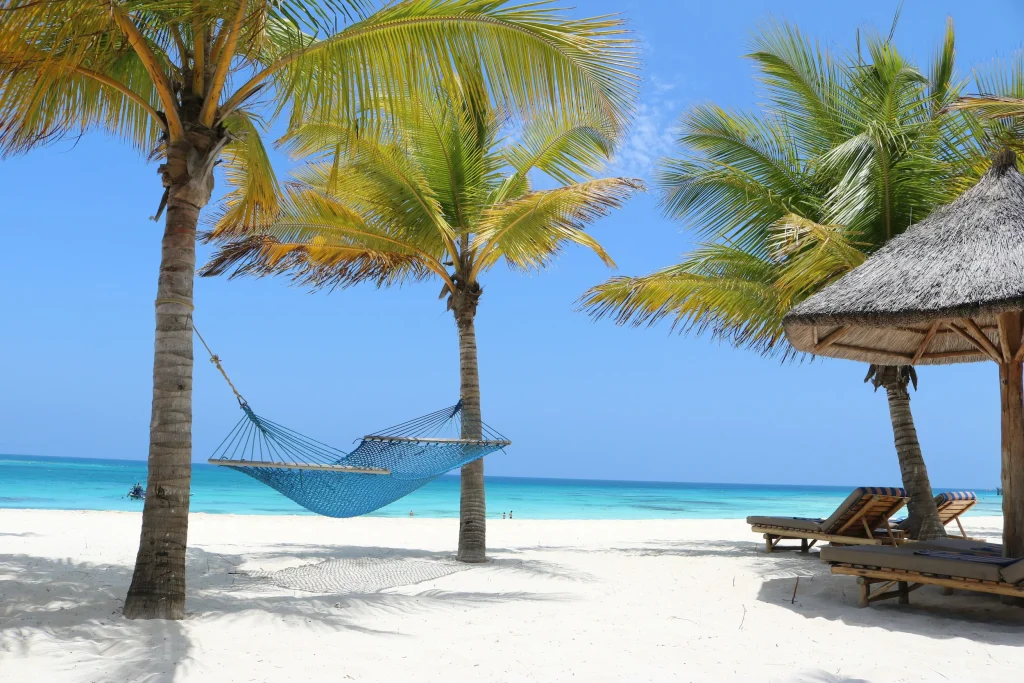
The full northern circuit, then a slow week of white sand, spice lanes and dhow sunsets to finish. The classic pairing, and the reason most people come.
Mid-range from $4,400 · Luxury from $8,900
View this journey →