
Destination · Northern Tanzania
A collapsed volcano holding the densest concentration of large animals in Africa — and the best chance of black rhino anywhere in Tanzania.
What it is actually like
The short version
About 260 km² of floor, roughly 20 km across, with walls 610 m high. The largest intact volcanic caldera in the world.
The Ngorongoro Conservation Area covers around 8,300 km² — the crater is a small part of it.
About 120 km west, three to four hours by road. Usually reached via Lake Manyara and Karatu.
The rim stands near 2,300 m and the floor around 1,800 m. The rim is cold, often fogbound, and catches people out.
Established 1959. A Biosphere Reserve since 1971 and a World Heritage Site since 1979.
The NCAA, not TANAPA. It is a conservation area rather than a national park, which changes the rules and the fees.
What you will see
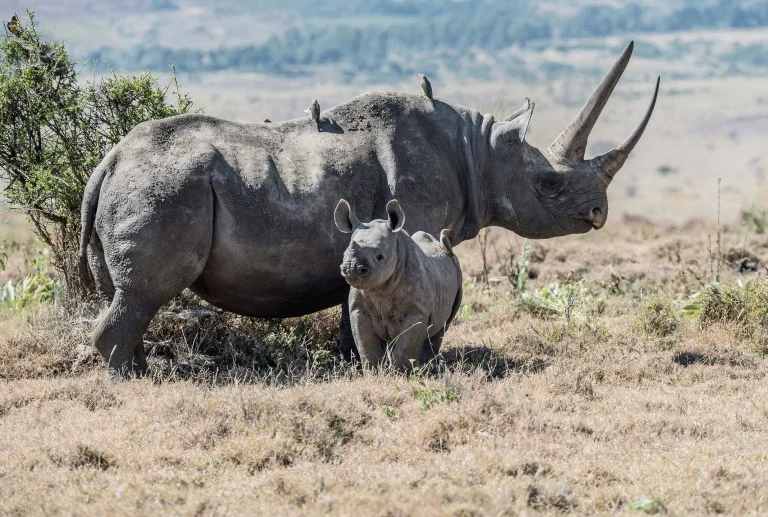
The best chance in Tanzania, and the reason many people come. Often distant, and never guaranteed.
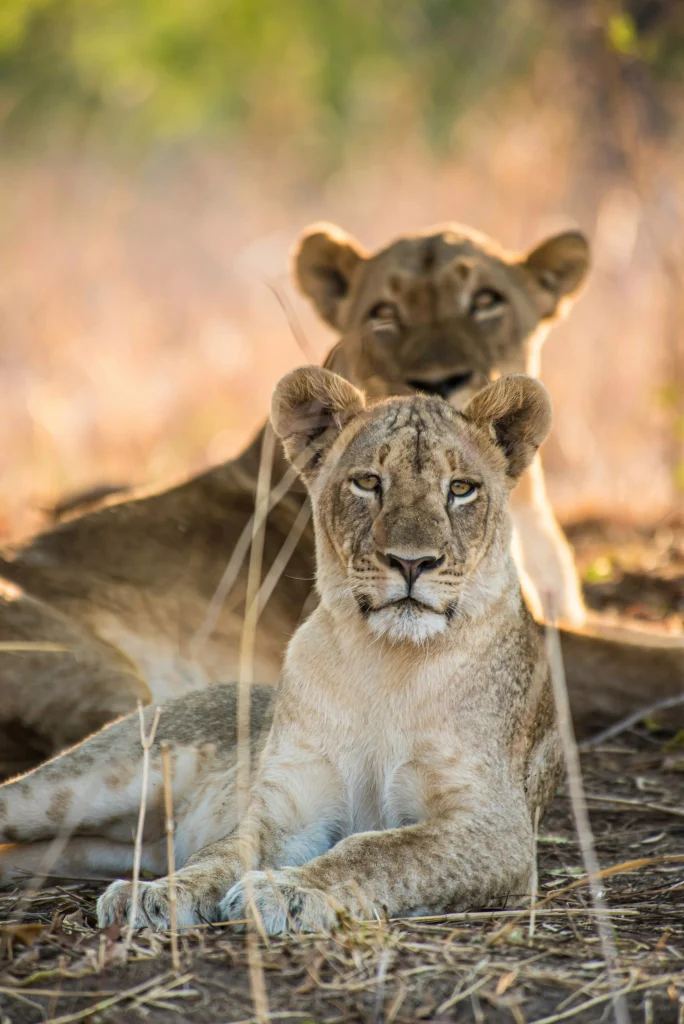
A resident population on the floor, seen on most descents. Genetically isolated, and much studied because of it.
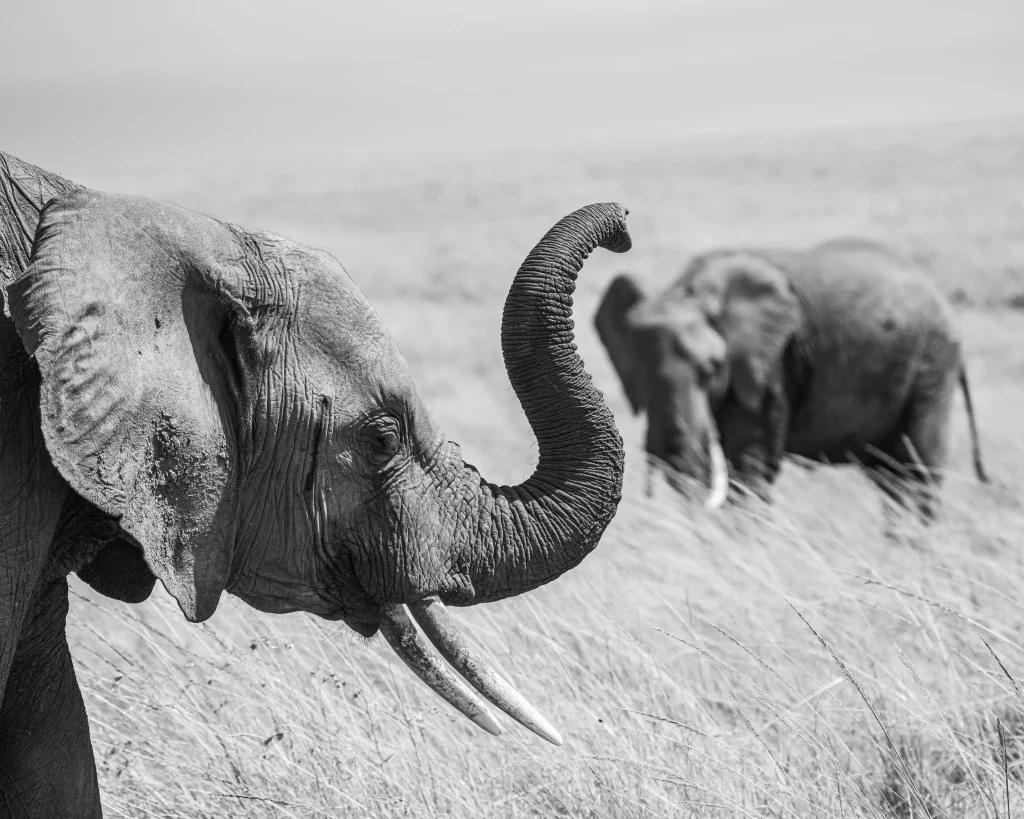
Big old bulls with heavy tusks favour the floor and the Lerai forest. Breeding herds tend to stay in the highlands.
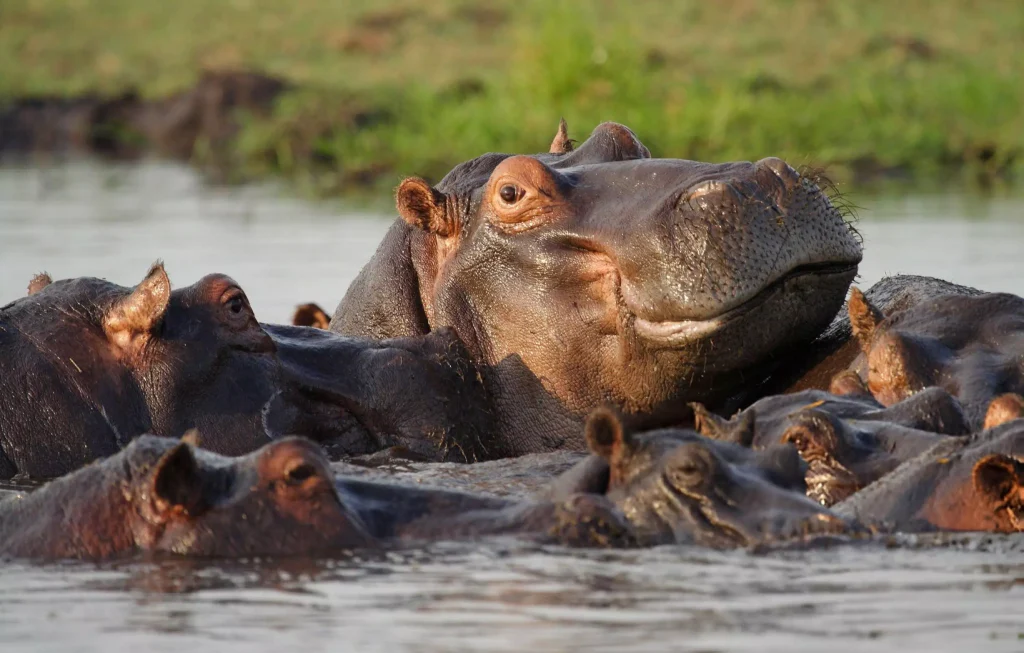
Both abundant. The hippo pools are among the easier sightings of the day.
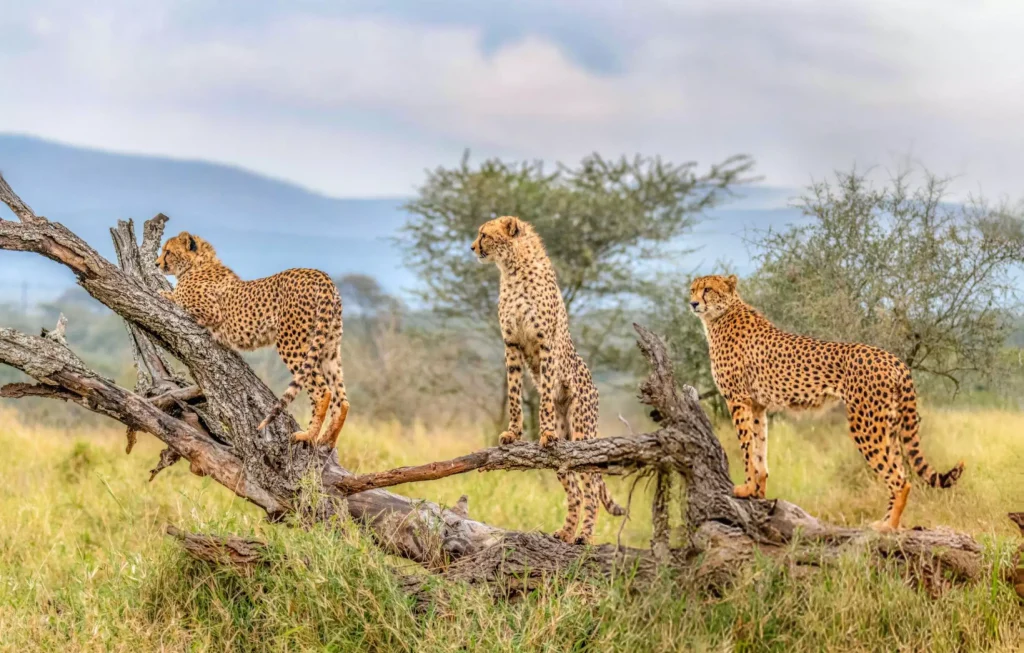
Cheetah are present but outnumbered; spotted hyena are everywhere and often the better story.
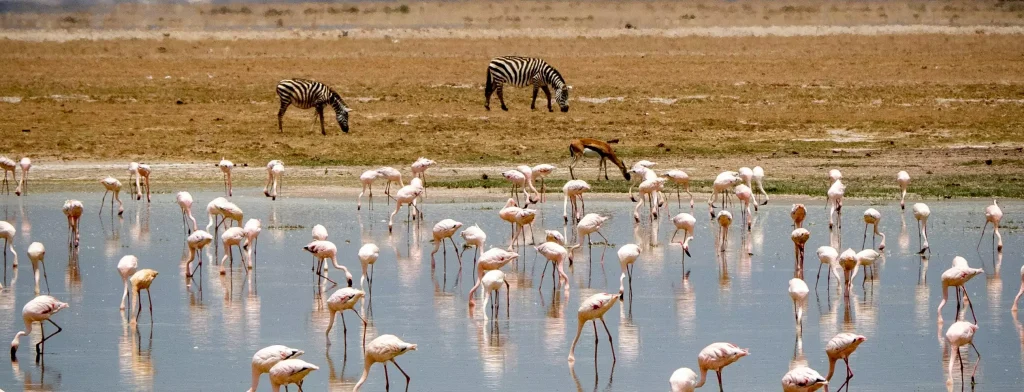
Lake Magadi on the floor draws them in numbers that vary with water levels and the season.
When to go
Dry, cold on the rim and busiest on the floor. Clear air and reliable game viewing.
Green and quieter, with the migration on the neighbouring plains. Good light for photography.
The long rains. Fewer vehicles, lush floor, and mist that can sit on the rim for hours.
How long to stay
Getting there
Three to four hours from Arusha via Manyara and Karatu. Almost every northern itinerary passes this way, which is why the crater fits so easily into a route.
Vehicles use designated descent and ascent roads and time on the floor is limited, so an early start is worth far more here than anywhere else.
Olduvai Gorge, a 14 km ravine where the Leakeys found some of the earliest human remains, sits between the crater and the Serengeti.
Good to know
The NCAA runs it under a multiple land use model. Maasai families live and graze livestock here, which is unusual in Africa and deliberate.
At 2,300 m, mornings and evenings are genuinely cold and often wet with fog. People pack for the plains and regret it.
You cannot linger all day. This is the single strongest argument for descending at dawn.
In high season the floor carries a lot of vehicles, and a rhino sighting gathers them. Expect company.
Walking is for the highlands and the smaller craters, not the caldera floor.
Conservation Area fees are charged differently from national park fees, and crater descent is charged on top.
The journeys
The crater sits on nearly every northern route. These build a proper half day on the floor into the plan.
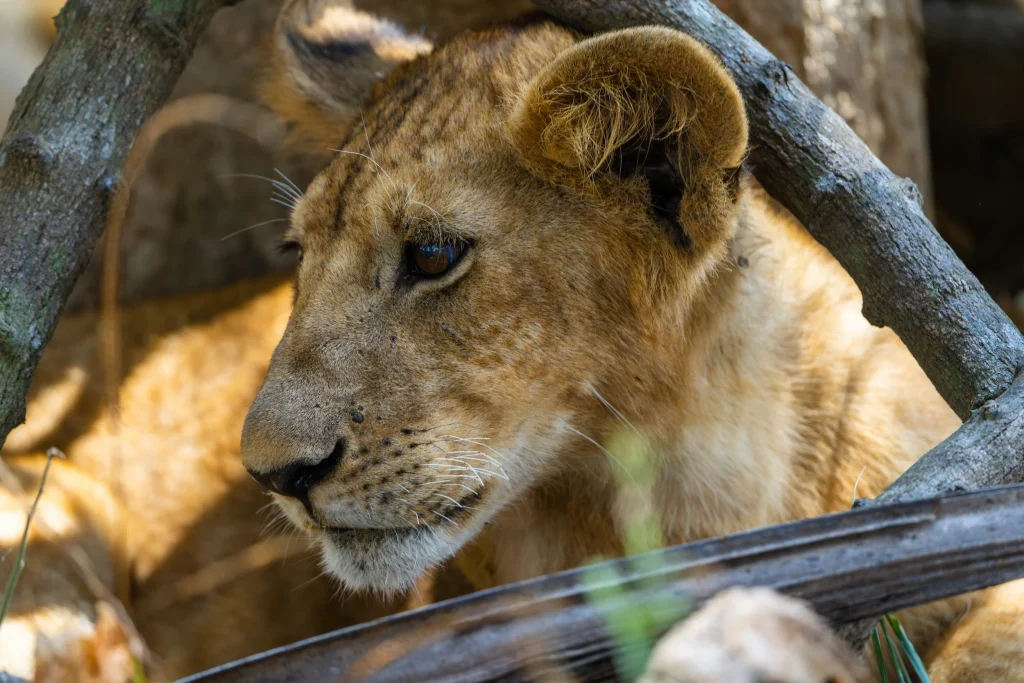
01
6 days · Tarangire, Serengeti, Ngorongoro
The first safari most people should take — baobabs and elephant herds, the crater floor at dawn, then the open plains.
Mid-range from $2,350 · Luxury from $4,500
View this journey →
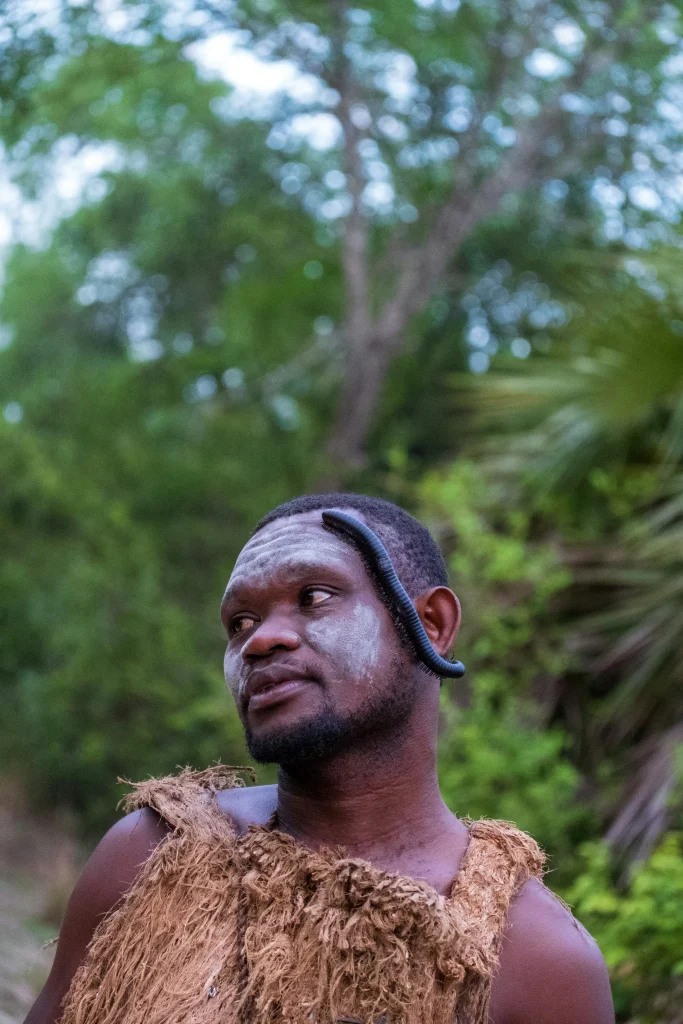
02
6 days · Tarangire, Lake Eyasi, Ngorongoro
Time with Maasai and Hadzabe communities on their own terms, woven into a northern circuit that still gives you the crater floor and the elephant herds.
Mid-range from $2,400 · Luxury from $4,600
View this journey →
03
8 days · Serengeti & Ngorongoro
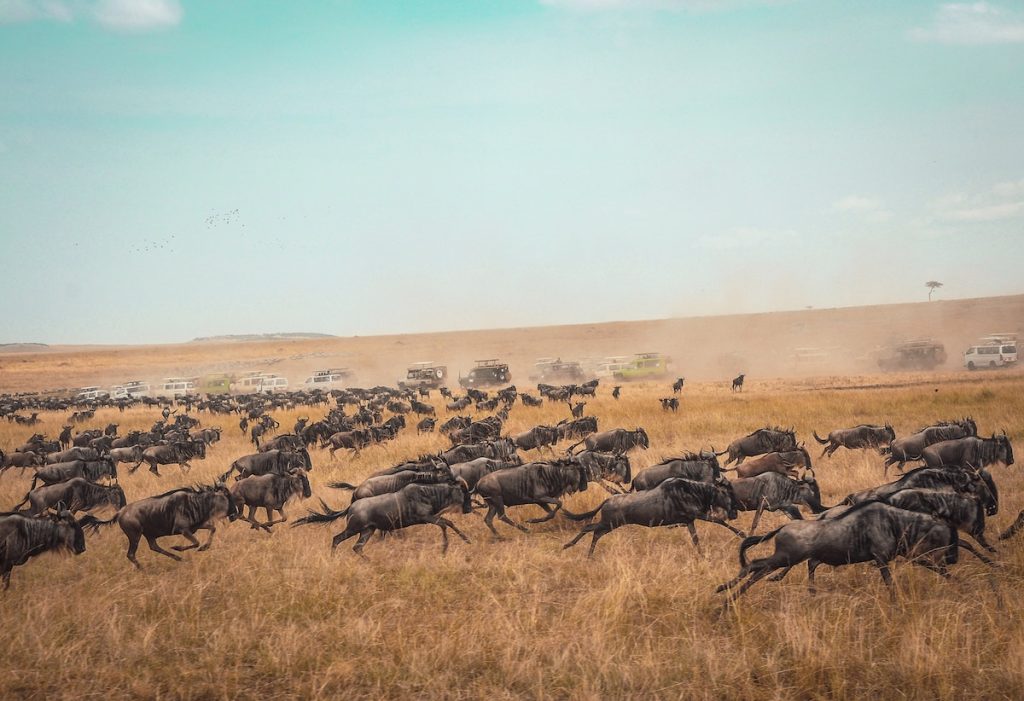
Timed to where the herds actually are, month by month. River crossings in season, calving on the southern plains in others — the route changes because the animals do.
Mid-range from $3,300 · Luxury from $6,300
View this journey →