
Experience · On foot
Fewer animals, seen closer, at the pace they actually live at.
Why walk
Is it for you
This suits you if: Confident walkers with moderate fitness who want wildlife at eye level and the small details a vehicle drives past — tracks, plants, birds, insects. No athletic ability required.
You might prefer something else if: Anyone expecting a Big Five tick-list on foot, travellers who cannot manage uneven ground in heat, and families with younger children (minimum age typically 12–16).
Timing
Walking is a dry-season activity — footing and visibility depend on it.
The window for walking. Short grass, firm ground and thinner vegetation make walking both safer and more rewarding.
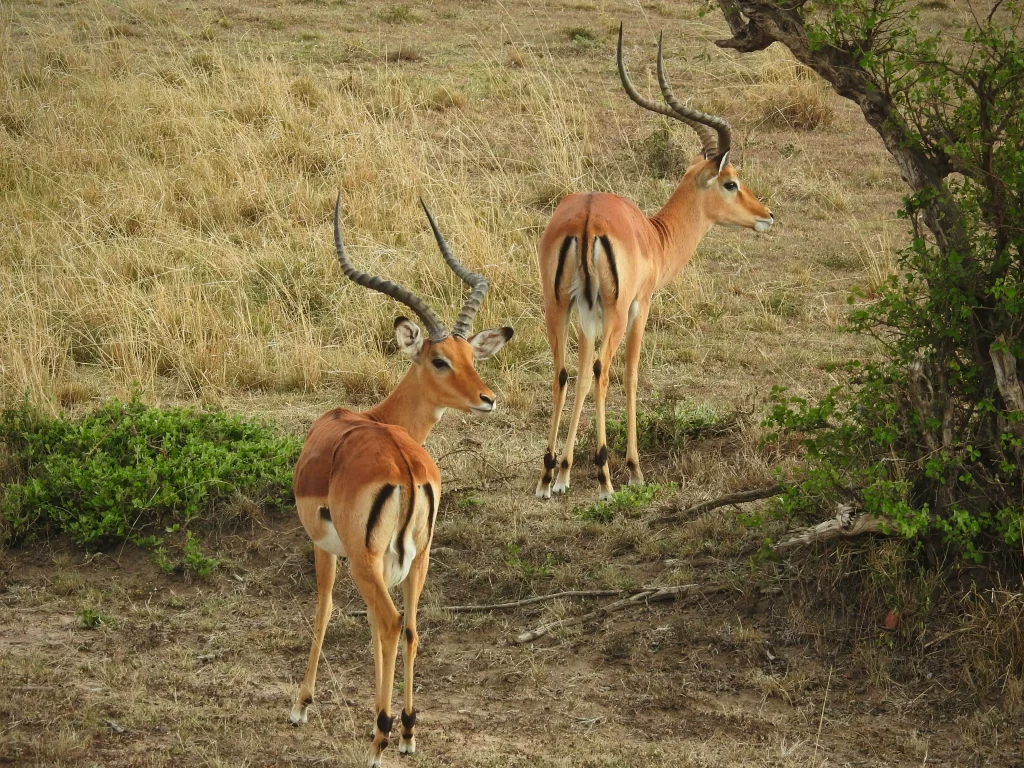
Long grass, slippery trails and more insects make walking harder; some walks still run, but it is not the season for it.
The rhythm
A guided walk of typically two to three hours, led by a qualified walking guide and an armed ranger, in a small group of six or fewer. The pace is deliberately slow — set by what your guide is reading in the bush, not by distance. The focus is as much on the small things as on big game, which you see at a safe, respectful distance.
The journeys
One itinerary built around walking, and one classic that includes a guided walk.
01
9 days · Walking & fly-camping
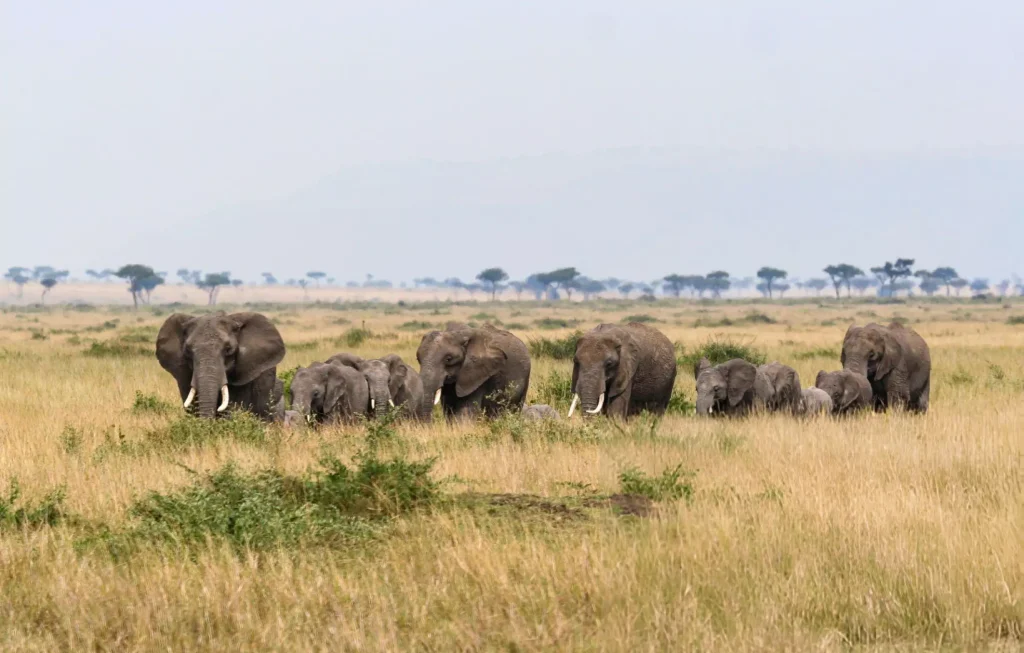
Leave the vehicle behind. Track on foot with an armed ranger and sleep under canvas where the sound at night is not a generator.
Mid-range from $4,200 · Luxury from $8,000
View this journey →
02
6 days · Tarangire, Serengeti, Ngorongoro
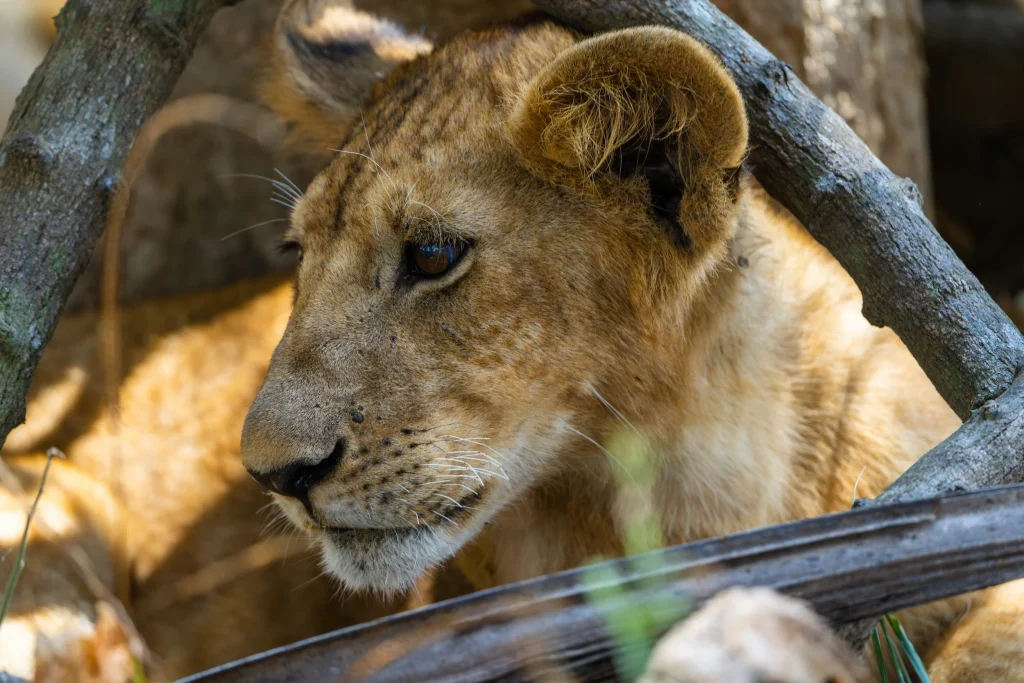
The first safari most people should take — baobabs and elephant herds, the crater floor at dawn, then the open plains.
Mid-range from $2,350 · Luxury from $4,500
View this journey →
Honestly
A walking safari is not about volume. You will see fewer animals than from a vehicle, seen closer and understood better. It is an immersion in how the bush works, not a route march to the Big Five — and that is the point.
The bigger trip
Walking slots into a longer northern-circuit trip rather than standing alone: a morning on foot between game drives, or a day or two based at a walking camp. It pairs well with cultural visits, which share the same slower, closer spirit.
Good to know