
Destination · Northern Tanzania
The northern circuit’s most overlooked park, and in the dry months one of the densest gatherings of large animals anywhere in Africa.
What it is actually like
The short version
2,850 km², and part of a much larger ecosystem of roughly 30,000 km² across the Maasai Steppe.
About two hours on tarmac to the Main Gate, which is why safaris so often begin here.
Between roughly 900 and 1,250 m — noticeably lower and hotter than the crater highlands.
Gazetted in 1970.
The highest density of elephants of any Tanzanian park, and its baobabs.
Around 550 species, with more resident breeding species than anywhere else in Tanzania — more than the Serengeti.
What you will see
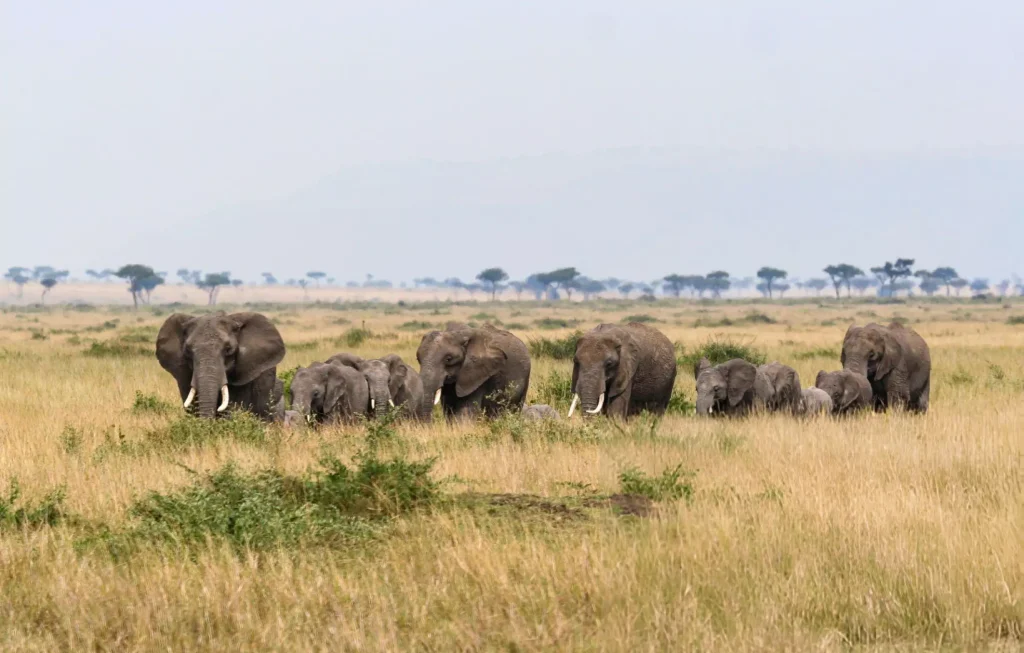
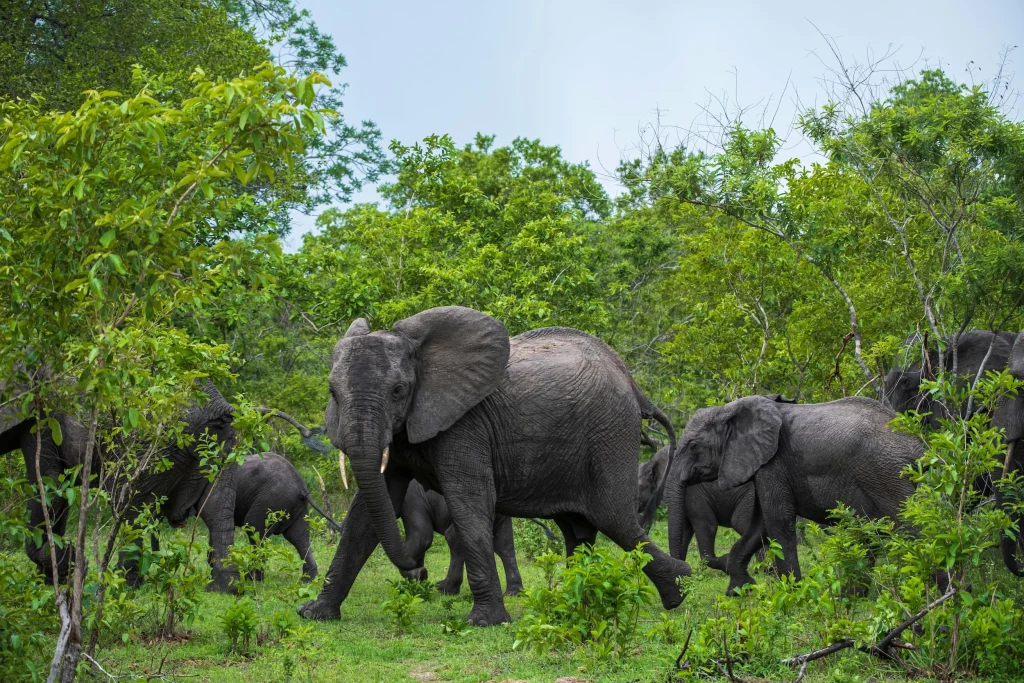
The reason to come. In the dry months herds gather along the river in numbers that are difficult to describe and easy to underestimate.
Not wildlife, but the defining feature. Naturalists describe them as ecosystems in themselves — bees, genets, fruit bats, hollow trunks.
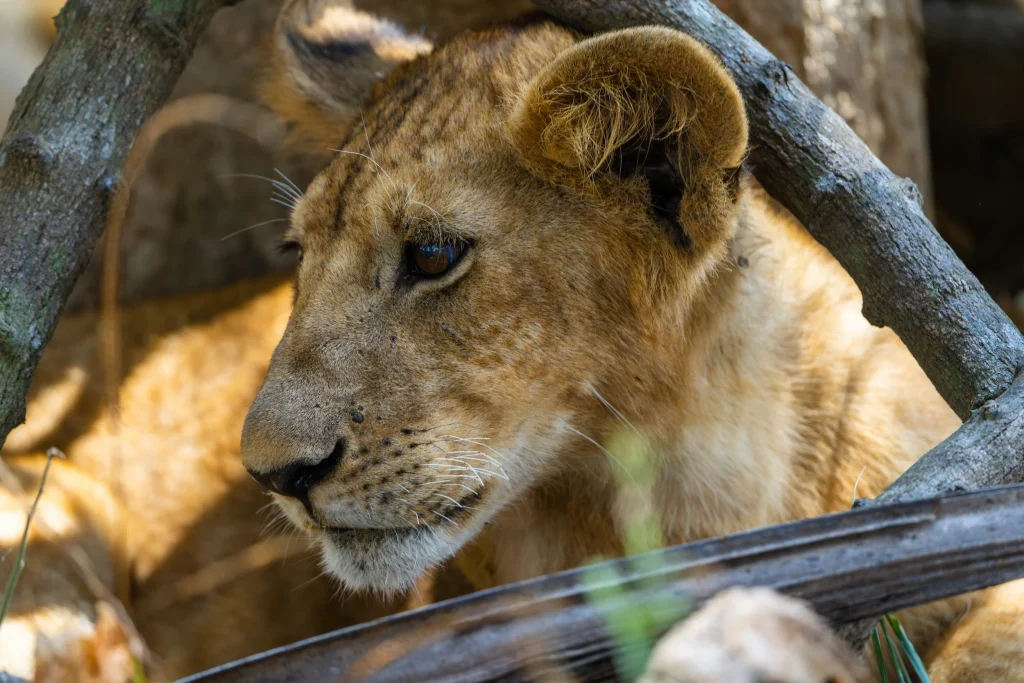
Both resident and regularly seen, particularly around the river and Silale Swamp.
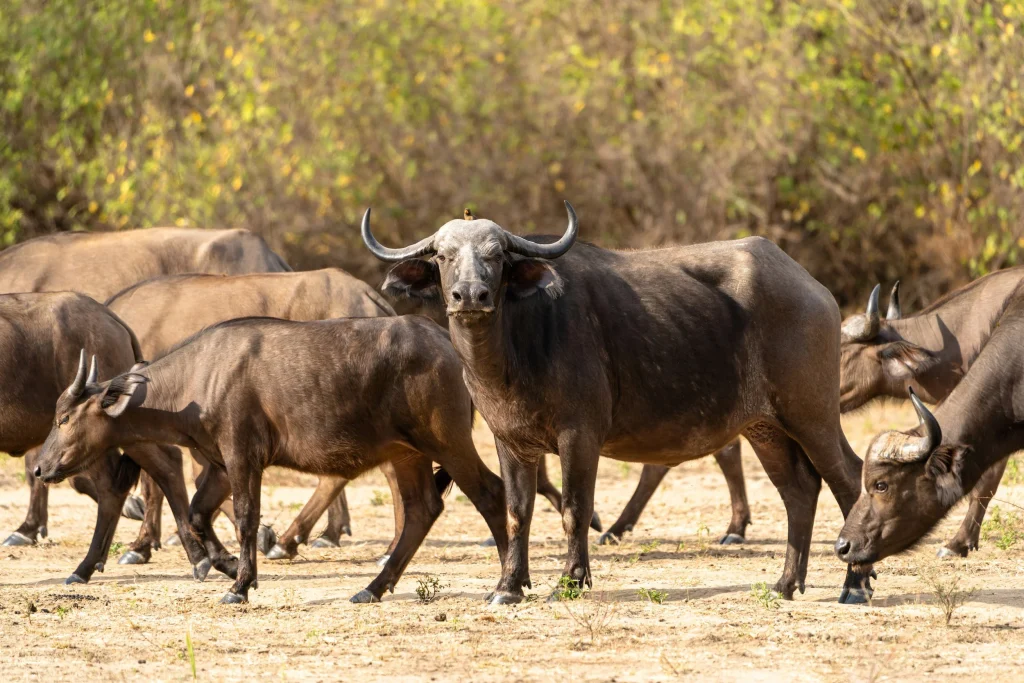
Dry-season concentrations pull in from the surrounding steppe. By October the density is second only to the crater.
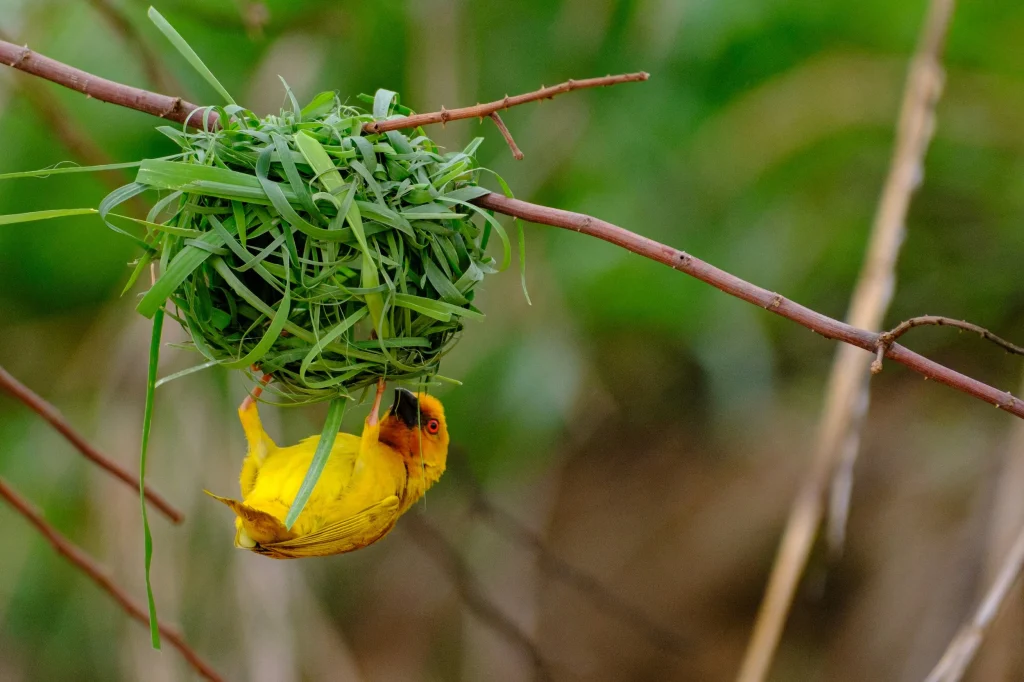
A birder’s park more than a Big Five park. Raptors everywhere, from martial eagle down to pygmy falcon.
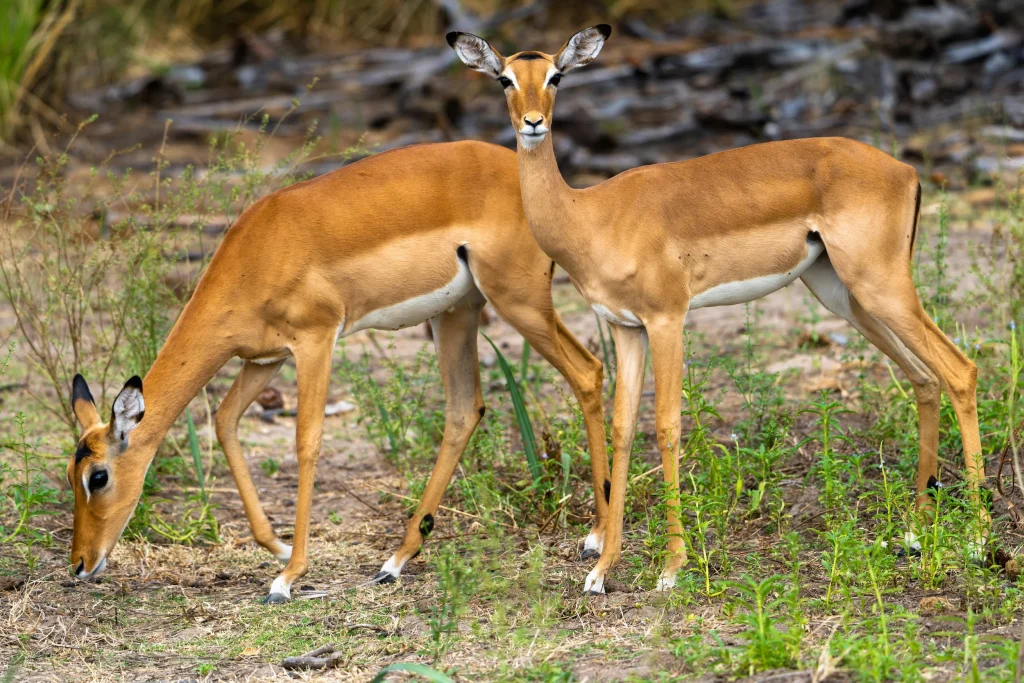
Oryx, and more rarely gerenuk and both greater and lesser kudu — species you will not find further north.
When to go
The dry season, and the whole point of Tarangire. Animals concentrate on the river and swamps as everything else dries out.
Green, full of newborn animals and chattering birds, but the herds disperse across the wider steppe and sightings thin out.
The long rains. Quiet and beautiful, with the tsetse at their worst in the swampy sections.
How long to stay
Getting there
About two hours from Arusha on good tarmac, then a short stretch of dirt to the gate.
There is an airstrip at Kuro in the centre of the park with scheduled flights to the main safari destinations.
The Main Gate in the north, Boundary Hill on the east for the community concessions, and Sangaiwe on the west, which links usefully to Lake Manyara’s southern entry.
Good to know
They are a genuine nuisance in the wooded and swampy areas, worse in the wet months. Wear light colours, avoid dark blue and black, and expect a few bites.
No park on the northern circuit changes as much between wet and dry. The same itinerary in March and September is two different trips.
Lower altitude than the crater or the Serengeti. Middays are hot and game viewing slows accordingly.
Guided walking safaris with an armed guide are permitted, which is not true everywhere on the circuit.
Allowed here, and in the community areas on the park fringes. Genets, civets and porcupine are the reward.
There are none. Four of the Big Five, and anyone suggesting otherwise is guessing.
The journeys
Tarangire opens most of our northern routes, and each of these gives it real time rather than a passing afternoon.
01
6 days · Tarangire, Serengeti, Ngorongoro
The first safari most people should take — baobabs and elephant herds, the crater floor at dawn, then the open plains.
Mid-range from $2,350 · Luxury from $4,500
View this journey →
02
6 days · Tarangire, Lake Eyasi, Ngorongoro
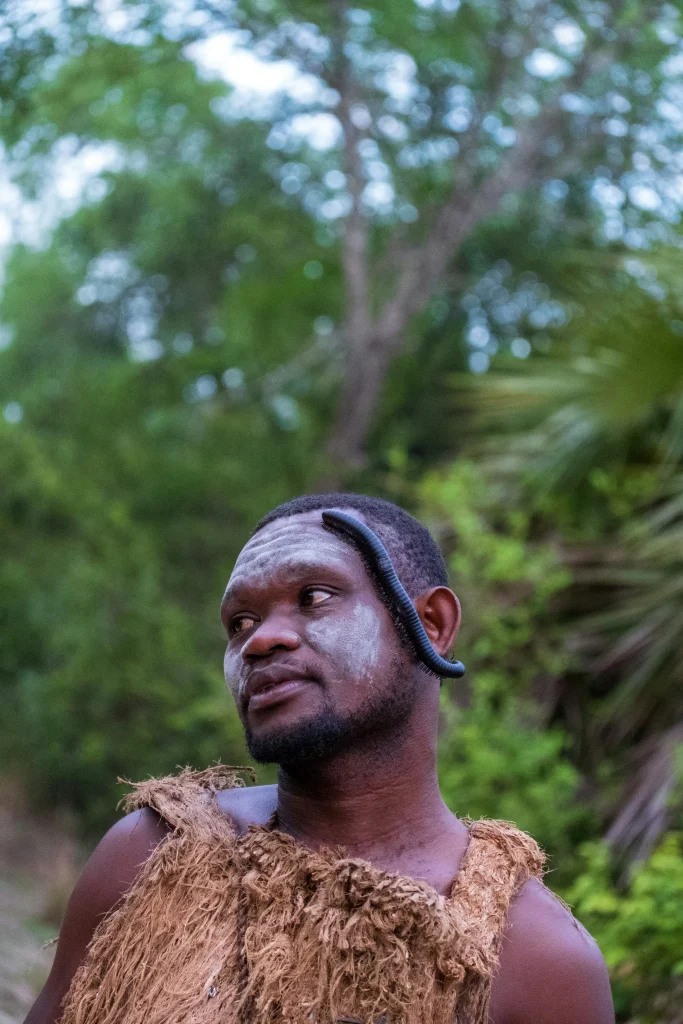
Time with Maasai and Hadzabe communities on their own terms, woven into a northern circuit that still gives you the crater floor and the elephant herds.
Mid-range from $2,400 · Luxury from $4,600
View this journey →
03
11 days · Safari & beach
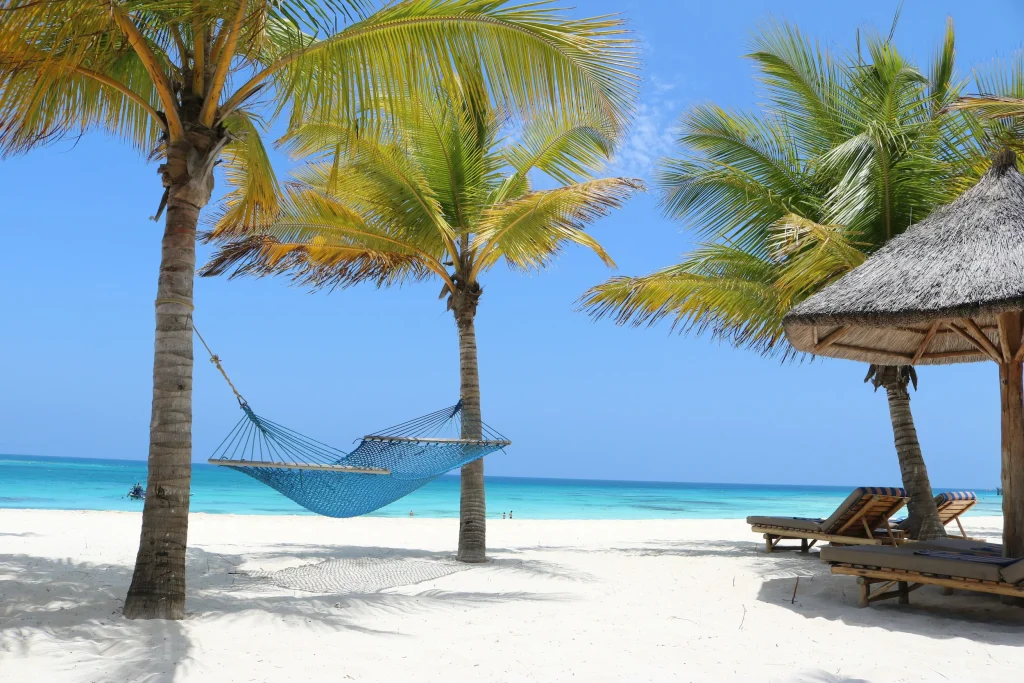
The full northern circuit, then a slow week of white sand, spice lanes and dhow sunsets to finish. The classic pairing, and the reason most people come.
Mid-range from $4,400 · Luxury from $8,900
View this journey →