
Zanzibar · After the safari
The island most people add to the end of a Tanzania safari — and a straight account of what is on it, so you can decide what your last week looks like.
How it fits
Where to go
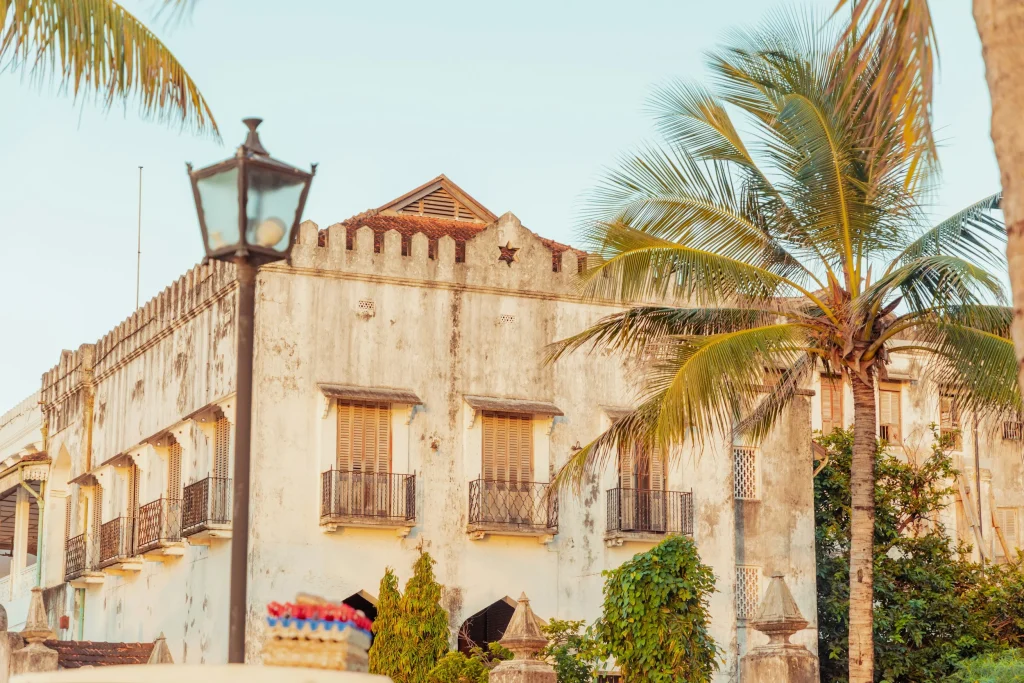
The old quarter on the west coast and a UNESCO site: carved doors, the Old Fort, Darajani market and the Forodhani food stalls at dusk. Most people give it a night at one end of the trip.
The northern tip. Deep water that swims at any state of the tide, the busiest nightlife on the island, and sunsets over open sea.
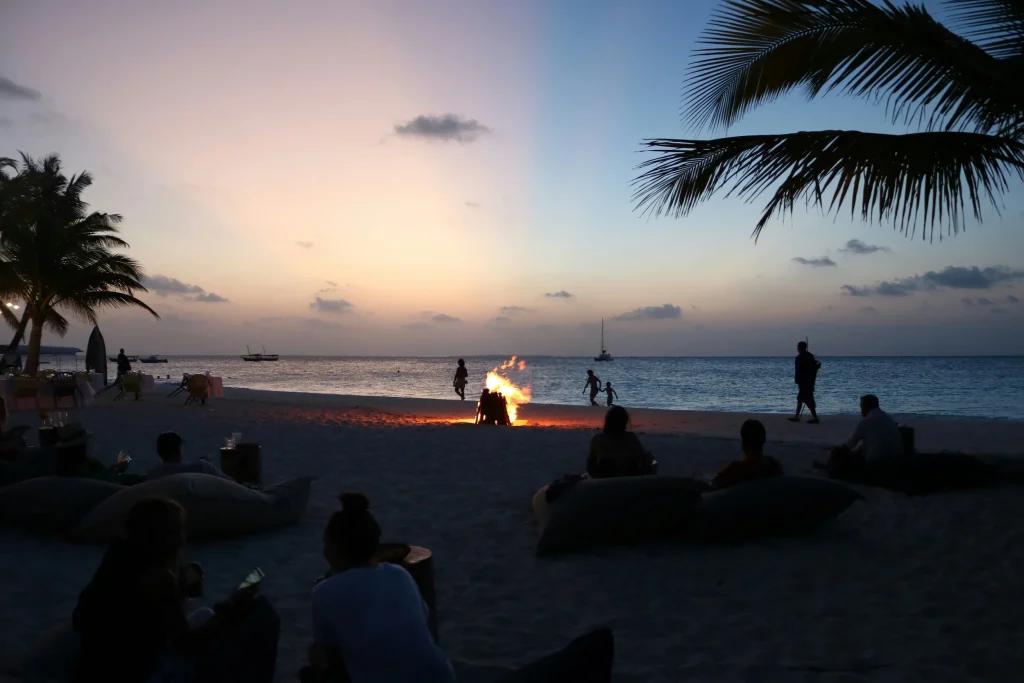
A few kilometres south of Nungwi and quieter, with the same tide-independent swimming and the island’s best-known full-moon parties.
North-east, facing Mnemba Atoll. Low-key and strung along the shore — the natural base if diving and snorkelling are the point.
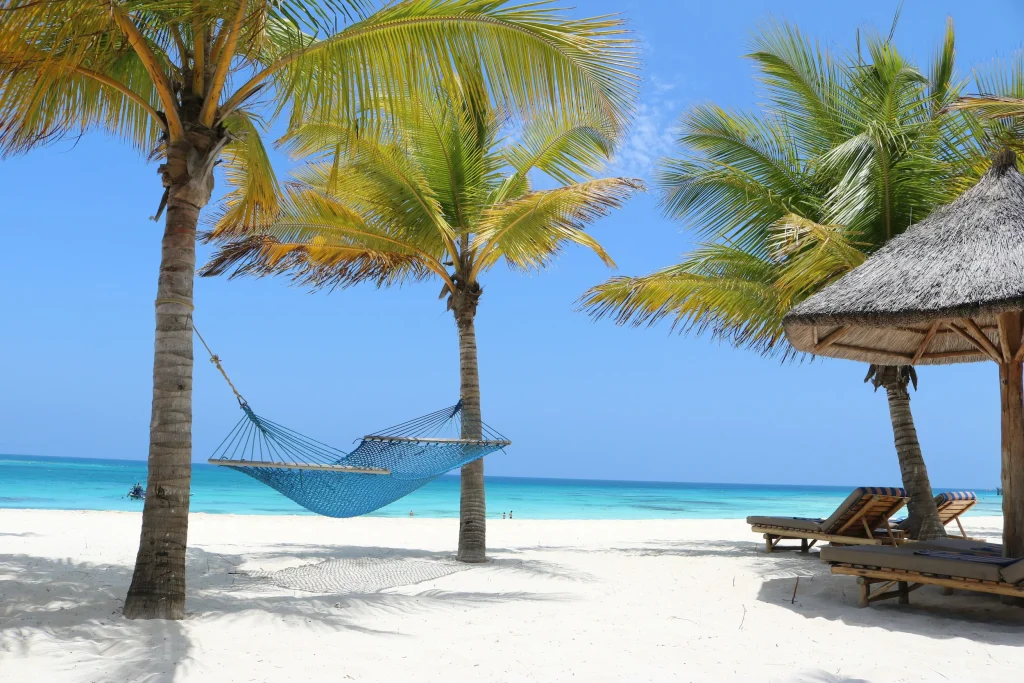
East coast: large resorts at Kiwengwa, small sheltered coves at Pongwe. Reef offshore and a big tidal range.
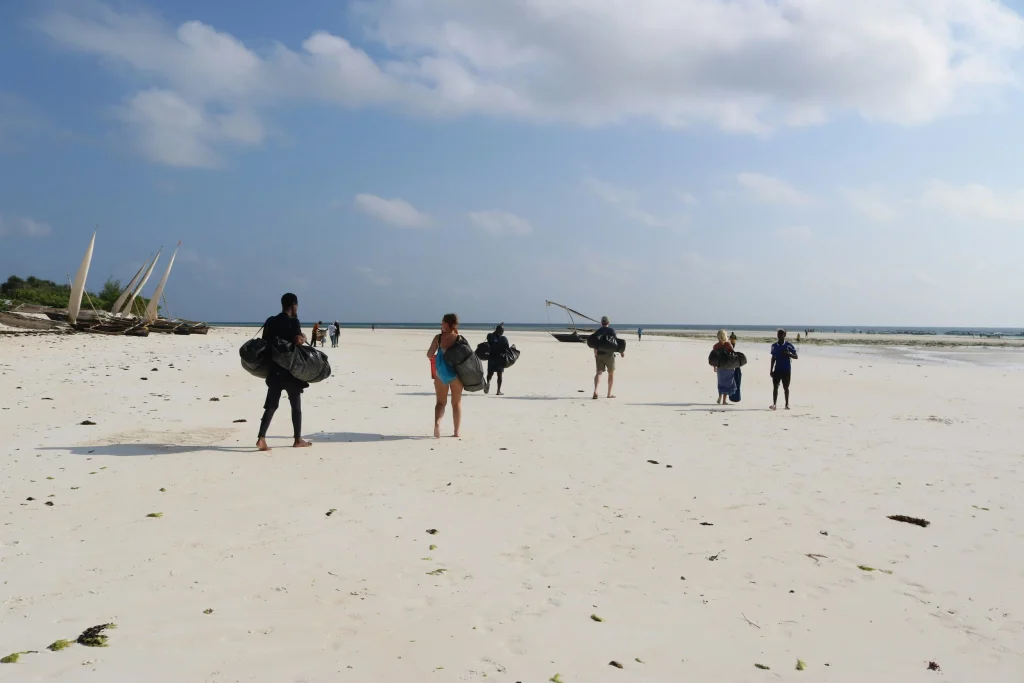
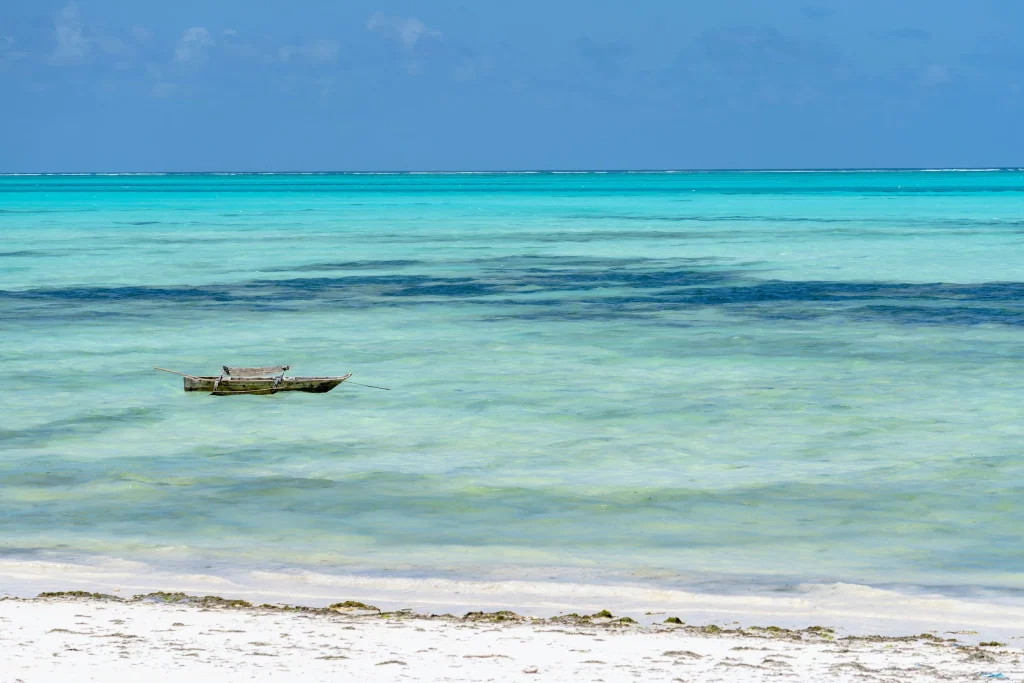
South-east. Wide white sand, shallow turquoise water, seaweed farms worked at low tide, and the centre of the island’s kitesurfing.
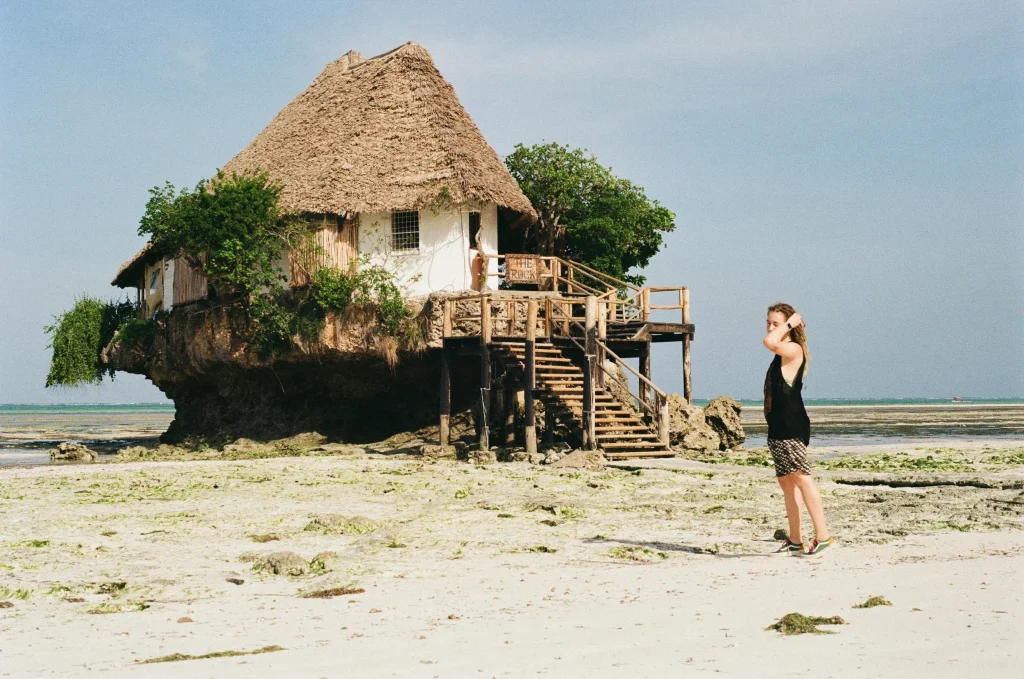
The peninsula between the east coast and Chwaka Bay. Quiet, with west-facing sunsets that are unusual on this side of the island.
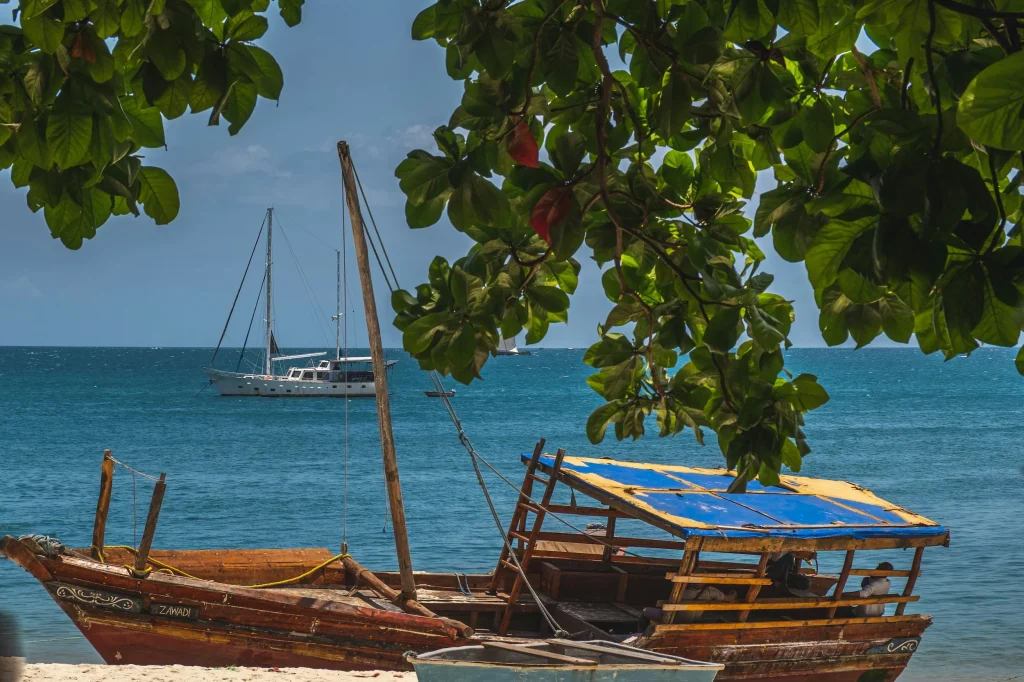
The far south, a fishing village known for its dolphin trips and for the oldest mosque in East Africa. The boats often crowd the animals, and the practice is increasingly questioned.
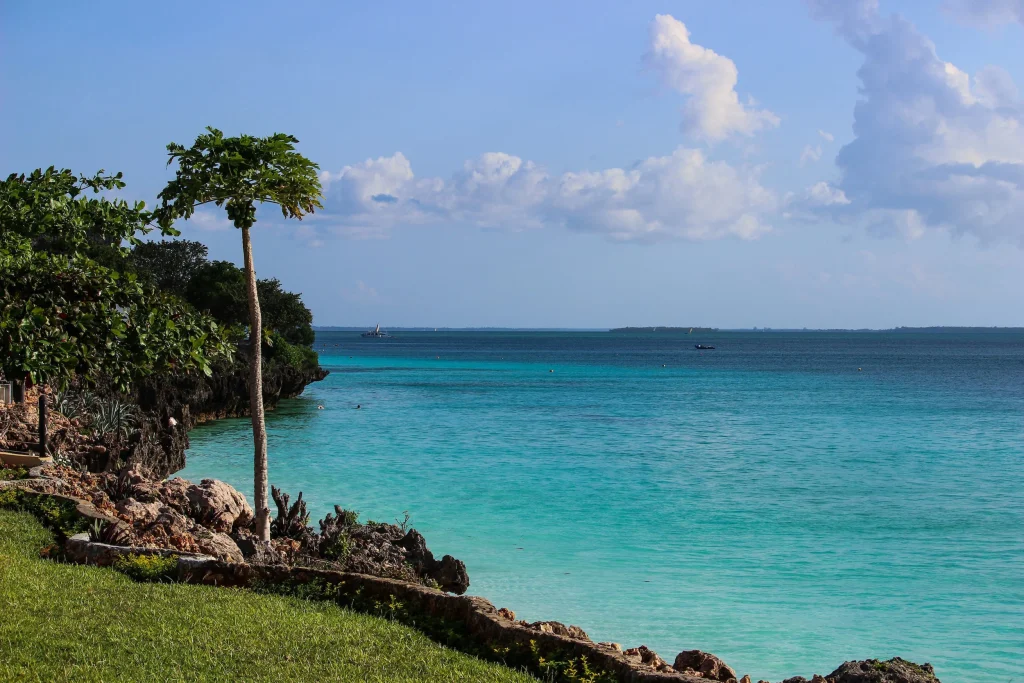
The other island, an hour north by air. Far less developed, steep and green, with some of the best diving in the archipelago.
What to do
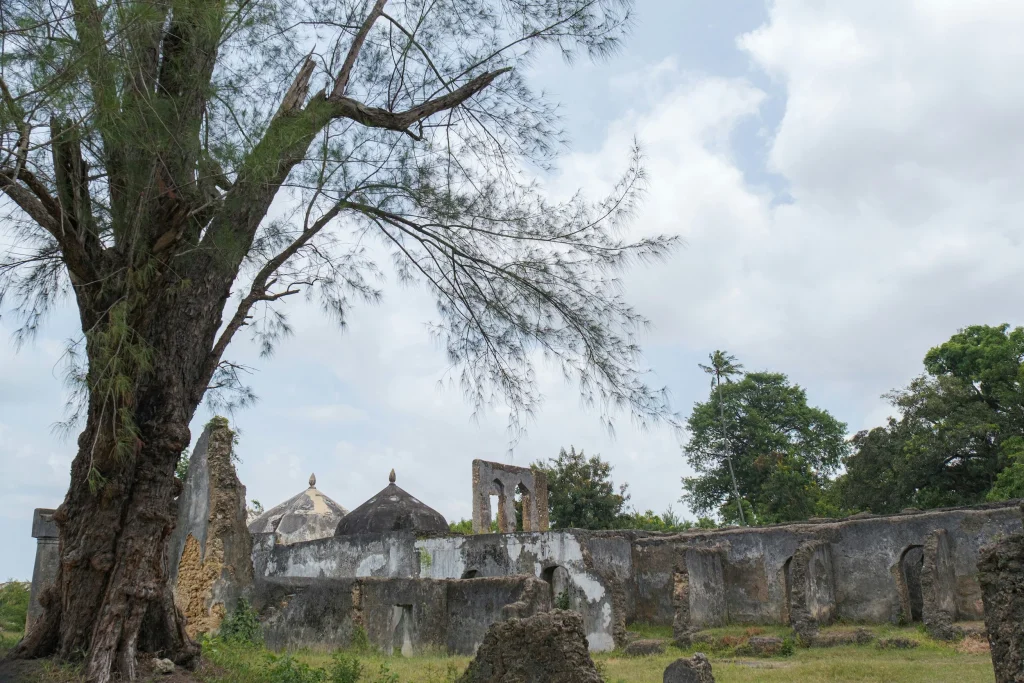
Kizimbani and Kidichi, north-east of Stone Town: cloves, nutmeg, cinnamon and vanilla, and the trade that shaped the island.
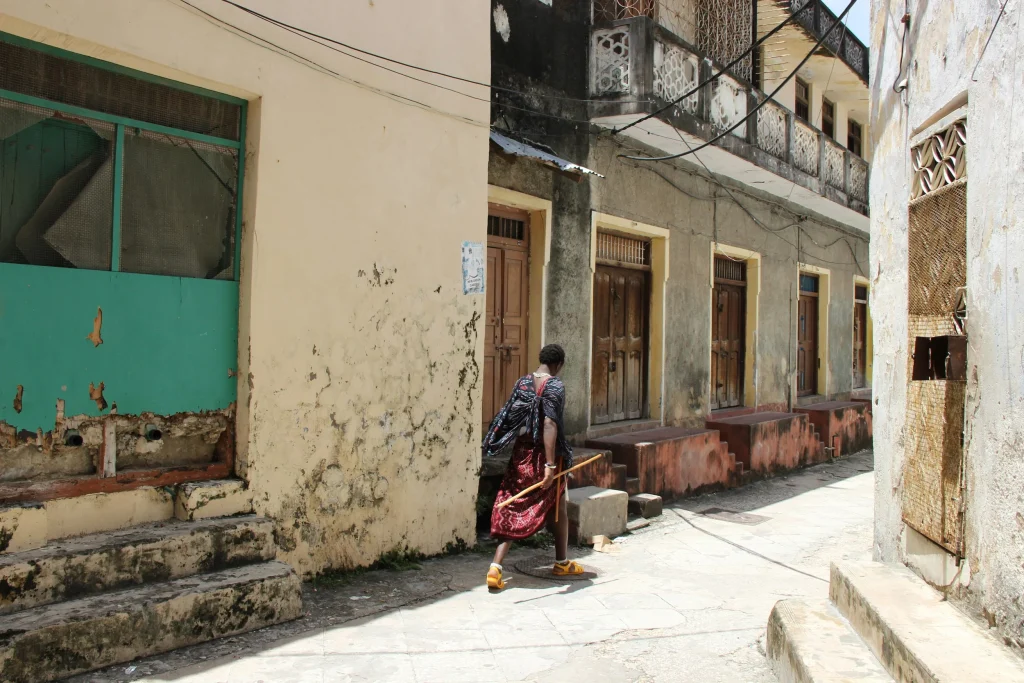
The Anglican cathedral built on the site of the former slave market, the Old Dispensary, and the palace ruins at Mtoni and Maruhubi.
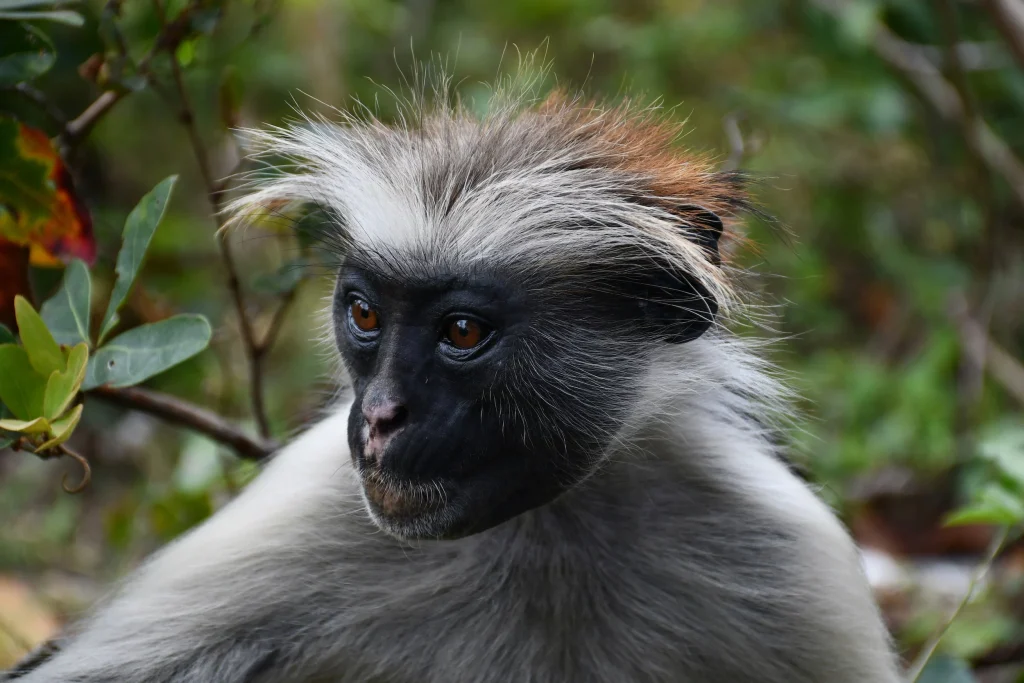
The last stronghold of the Zanzibar red colobus, found nowhere else on earth, with a mangrove boardwalk. Half a day from most of the east coast.
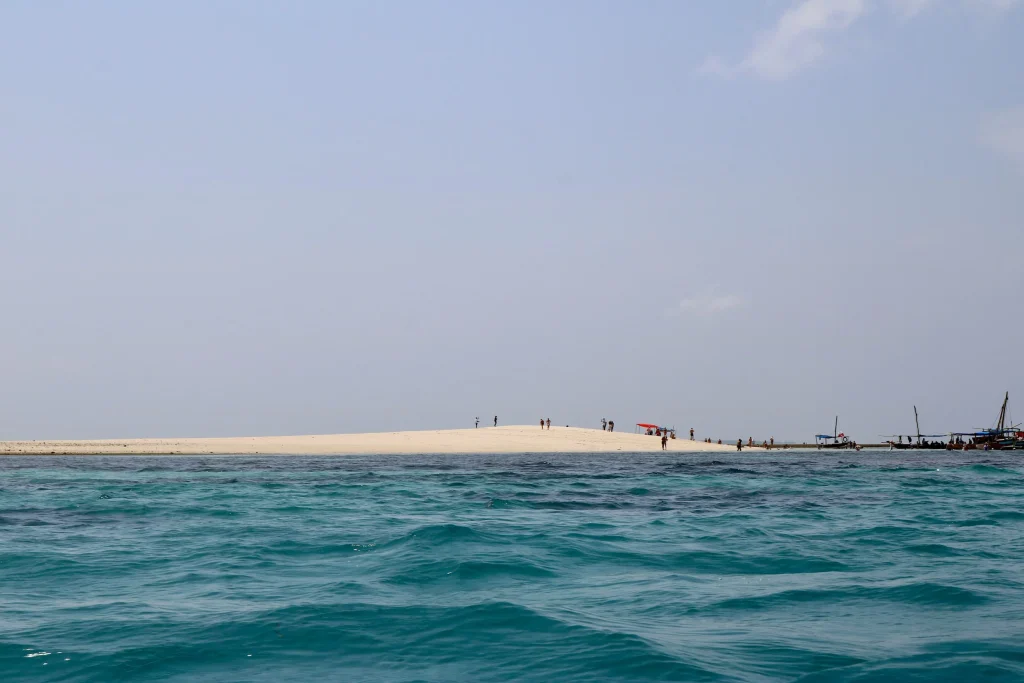
The best-known snorkelling and diving on the island, off Matemwe. The atoll itself is private; the reef around it is not.
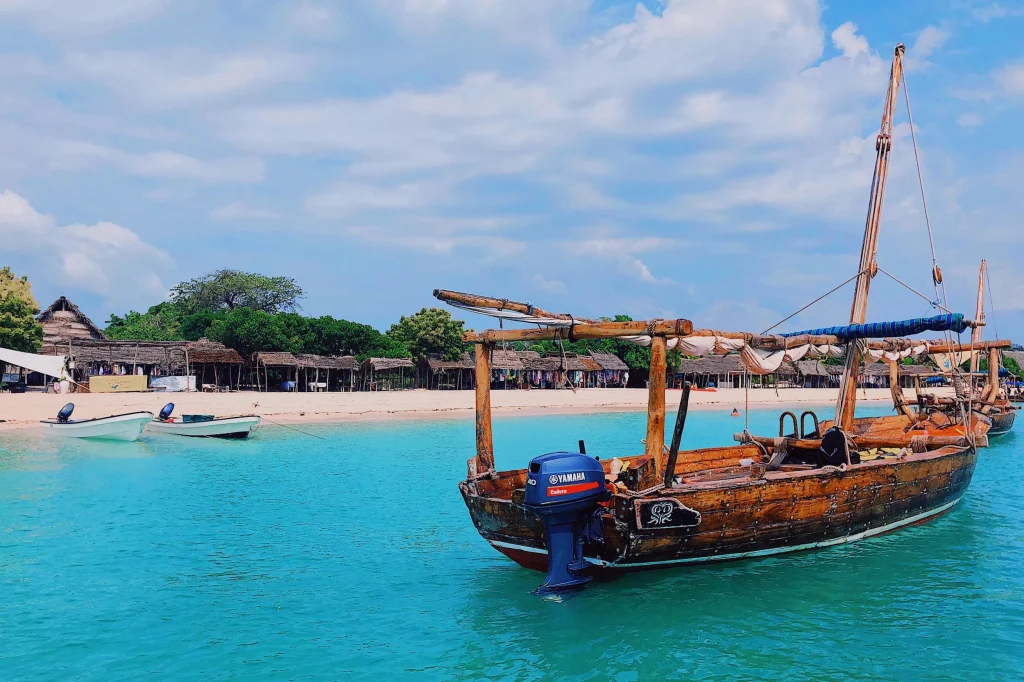
A traditional sailing boat out of Stone Town, Nungwi or Kendwa. The one thing almost nobody regrets doing.
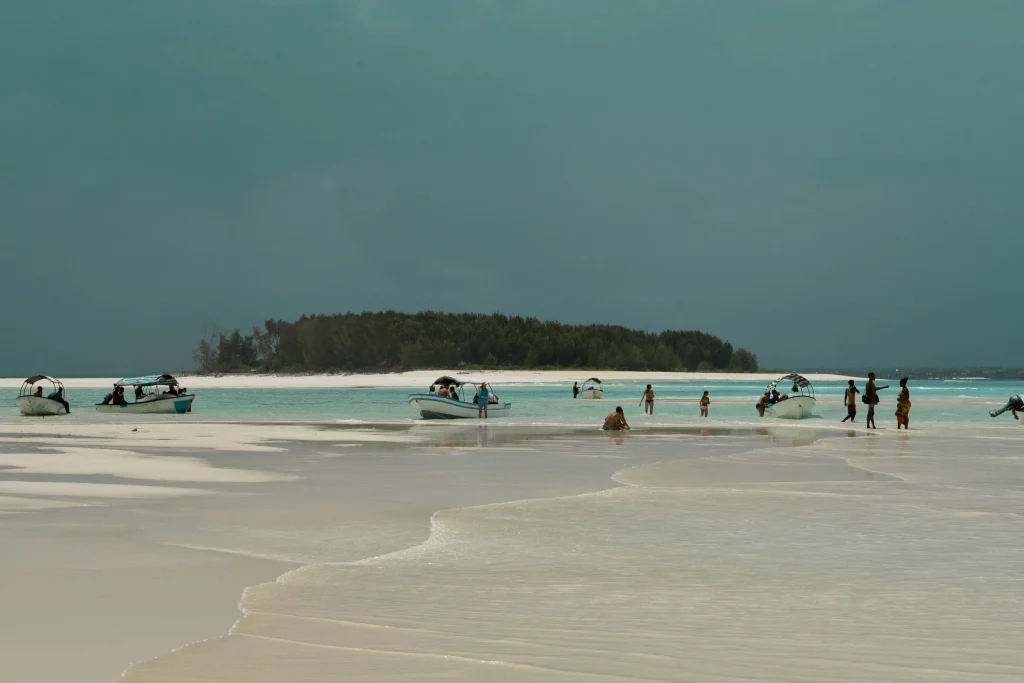
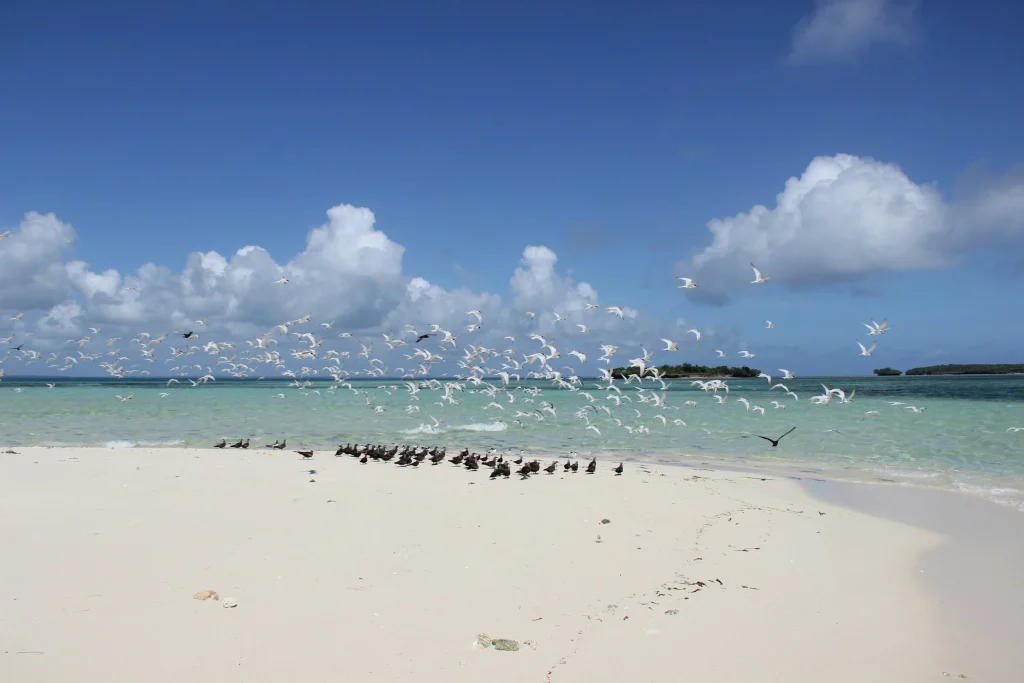
Nakupenda and others surface at low tide and vanish at high. Usually combined with snorkelling and lunch on the sand.
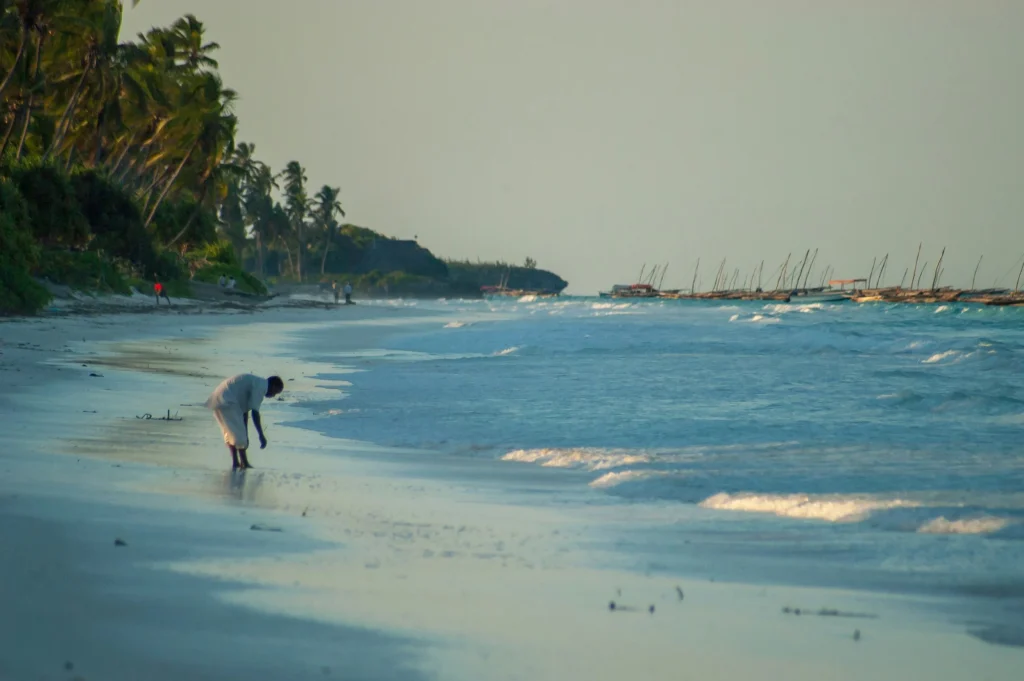
Reliable cross-shore wind from December to February and June to September, with schools for people who have never tried it.
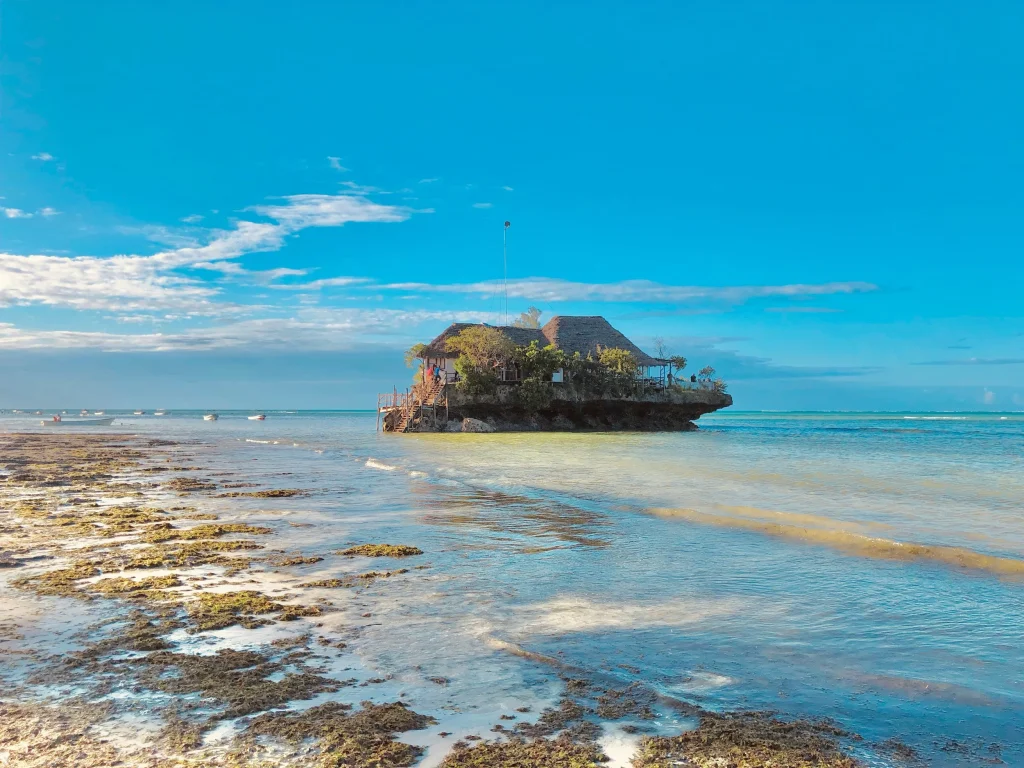
Changuu, twenty minutes off Stone Town, with a colony of Aldabra giant tortoises and a reef to snorkel.
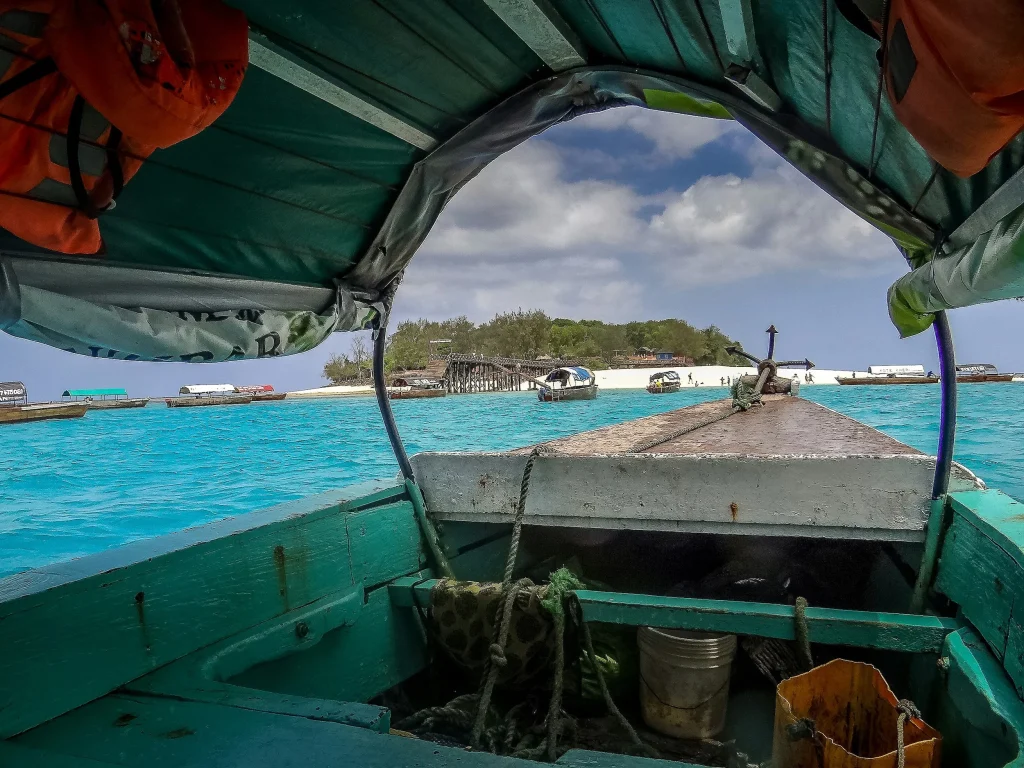
A full day by boat from Fumba in the south-west: sandbanks, snorkelling, a seafood lunch and a sail home.
When to go
Dry, cooler and busiest. It lines up with peak safari season, which is why most bush-and-beach trips land here.
Hot, clear and calm, with the best underwater visibility of the year. The short rains fall in November.
The long rains. Many smaller places close, prices drop, and the sea stays warm — but the weather is genuinely unreliable.
Before you go