Planning a first safari can feel like assembling a checklist of parks — as though the goal were to tick off as many as possible. It is the wrong instinct. A good safari is a route, not a list: the right handful of places, in the right order, with enough time in each, matched to the month you can travel. Get that right and everything else follows.
Start with when you can go, not where
Your dates decide more than your choice of parks. The same week produces a completely different trip in February and in September. If you are set on the river crossings, you are travelling July to October. If you want green landscapes and fewer vehicles, the shoulder months reward you. Decide the timing first, then build the route around what that season does best.
Fewer parks, more days
The most common first-safari mistake is cramming in too much. Every move between parks costs you half a day of driving and a chunk of game-viewing time. Three nights in Serengeti will show you more than one night each in three different places. We would rather send you deep into two or three parks than skim six.
The northern circuit, briefly
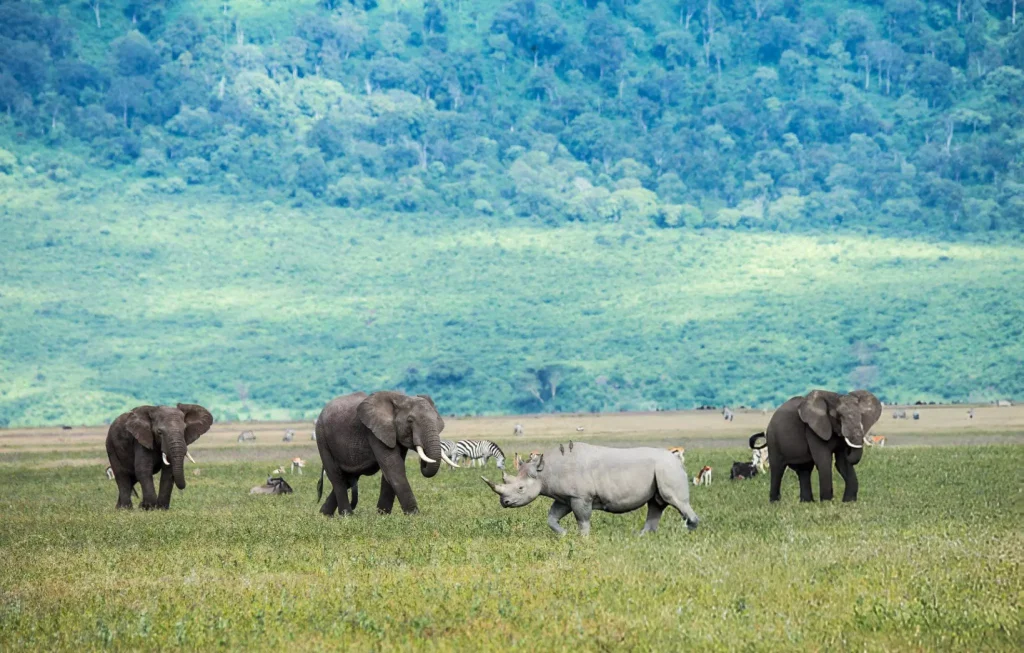
Most first trips centre on the northern parks, and for good reason. Tarangire opens many routes with its elephants and baobabs. The Ngorongoro Crater holds the densest concentration of large animals in Africa and the best rhino chance in the country. The Serengeti is the migration and the classic plains. A first safari that covers those three, with time to spare, is hard to beat — which is essentially what our Big Five Classic does.
Private or shared?
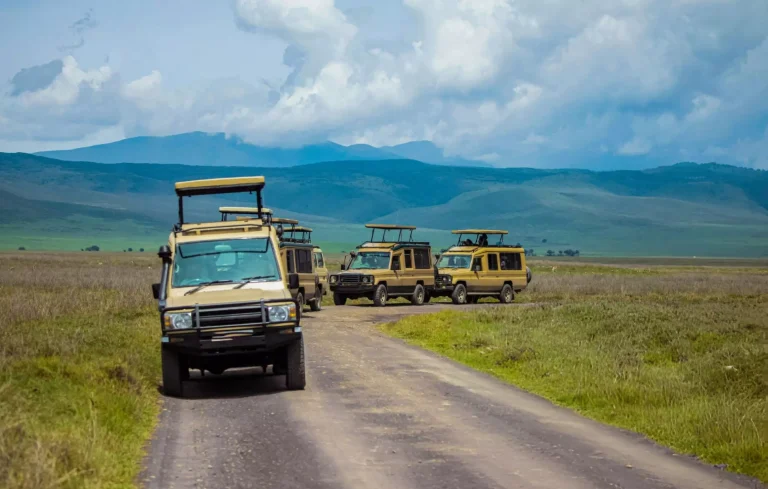
A private vehicle costs more but changes the trip entirely: you set the pace, linger at the sightings you care about, and never share a window. For a first safari, where you do not yet know what you will most want to watch, that flexibility is worth a great deal.
What a day actually looks like
Early starts, because the animals are most active at dawn. A morning game drive, often the best of the day. Back to camp through the heat of midday for lunch and rest. Out again in the late afternoon as it cools. Dinner under a very large sky. It is less relentless than people fear, and more rewarding than a packed itinerary allows.
When you are ready to see how this translates into real trips, our journeys are each built as a starting point — every one private, every one adjustable.
Common questions
How many days do you need for a first Tanzania safari?
Five to seven days on the northern circuit is a comfortable first safari — long enough to give two or three parks real time without a punishing pace. Fewer than four days means a lot of driving relative to game viewing.
Which parks are best for a first safari?
The northern circuit — Tarangire, the Ngorongoro Crater and the Serengeti — is the classic and most rewarding first-safari combination, covering elephants, the densest wildlife concentration in Africa, and the migration plains.
Is a private safari worth it for first-timers?
For most people, yes. A private vehicle lets you set the pace and linger where you like, which matters most on a first trip when you do not yet know what you will want to watch.
What does a typical safari day look like?
An early start for a morning game drive, midday rest through the heat, and a late-afternoon drive as it cools, with meals at camp. Less relentless than a packed itinerary suggests.