
Destination · Northern Tanzania
Groundwater forest, a soda lake and the Rift Valley wall stacked into 325 square kilometres — the most varied short drive on the northern circuit.
What it is actually like
The short version
325 km², of which roughly 230 km² is the lake itself when water levels are high.
About two hours by road. It sits directly on the route to Ngorongoro and the Serengeti.
A national park since 1960 — Tanzania’s second — and part of a World Biosphere Reserve since 1981.
Groundwater forest, enormous baboon troops, elephants, and birds in very large numbers.
A treetop walkway among the longest in Africa, with viewing decks through the forest canopy.
TANAPA. Fees are paid online before arrival.
What you will see
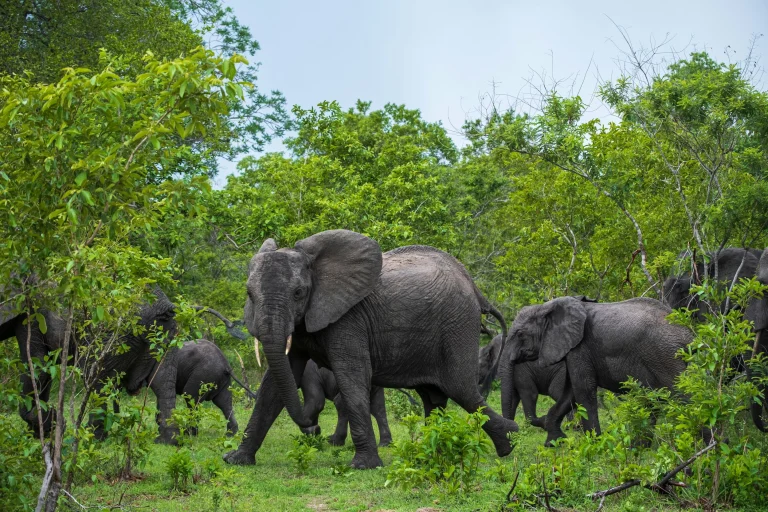
Manyara’s elephants are famous in the literature — Iain Douglas-Hamilton did his pioneering research here, published as Among the Elephants.
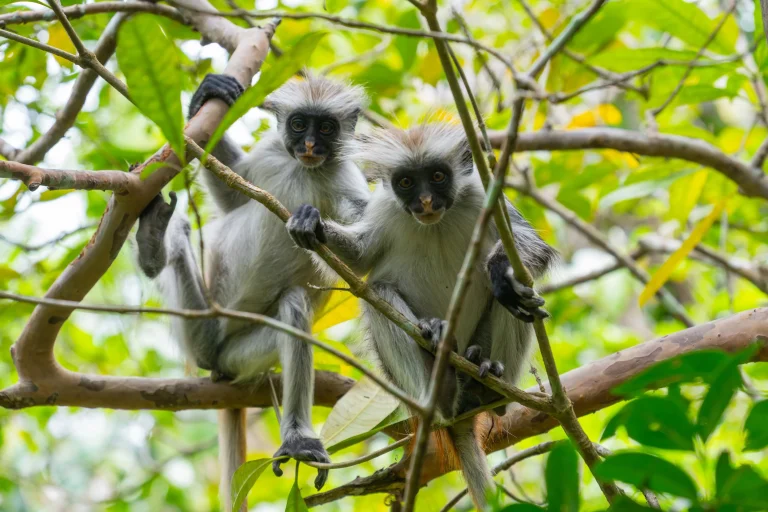
Reputedly the largest troops in Africa, hundreds strong along the forest road. Ordinary animals, extraordinary numbers.
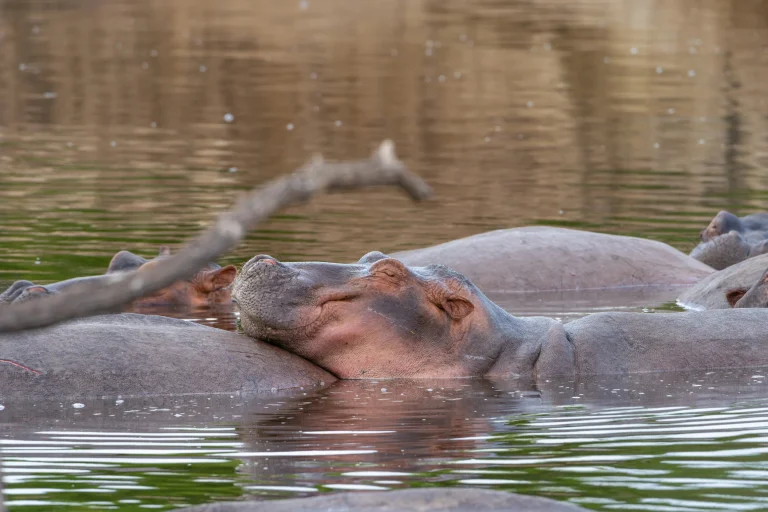
A permanent pool near the lake edge, and one of the more reliable sightings in the park.
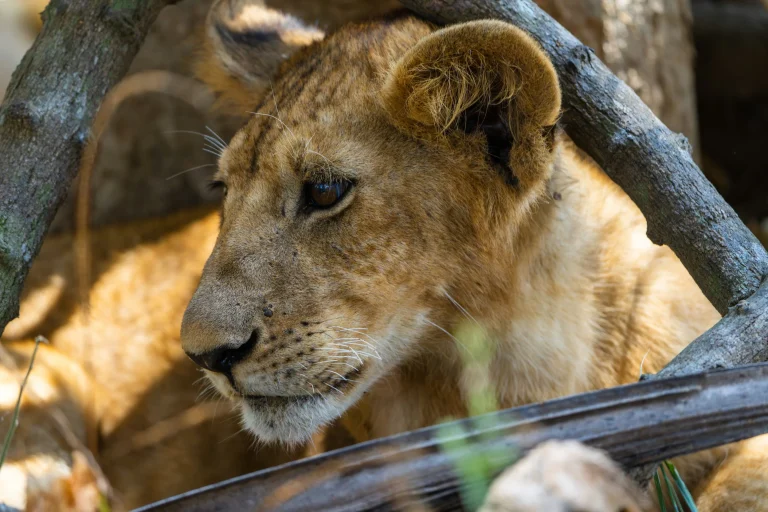
Present, and sometimes resting in trees — though see below, because the story you have been told is not quite right.
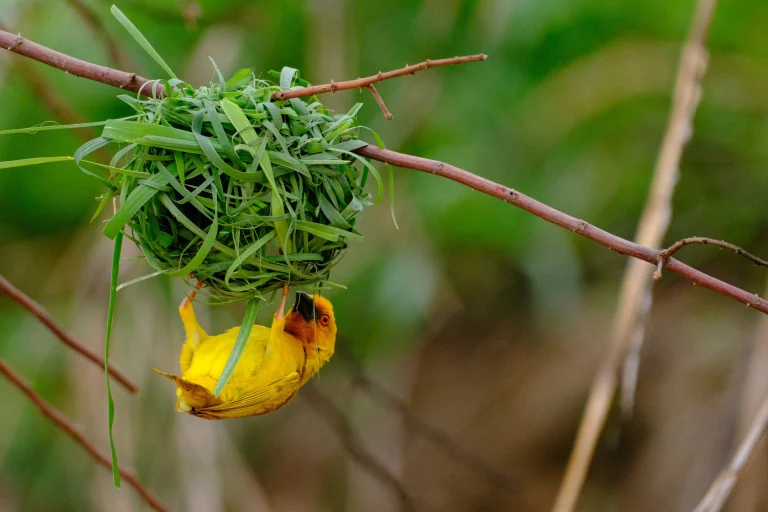
Over 350 species recorded. Pelicans, storks, herons and raptors, with the forest holding hornbills and turacos.
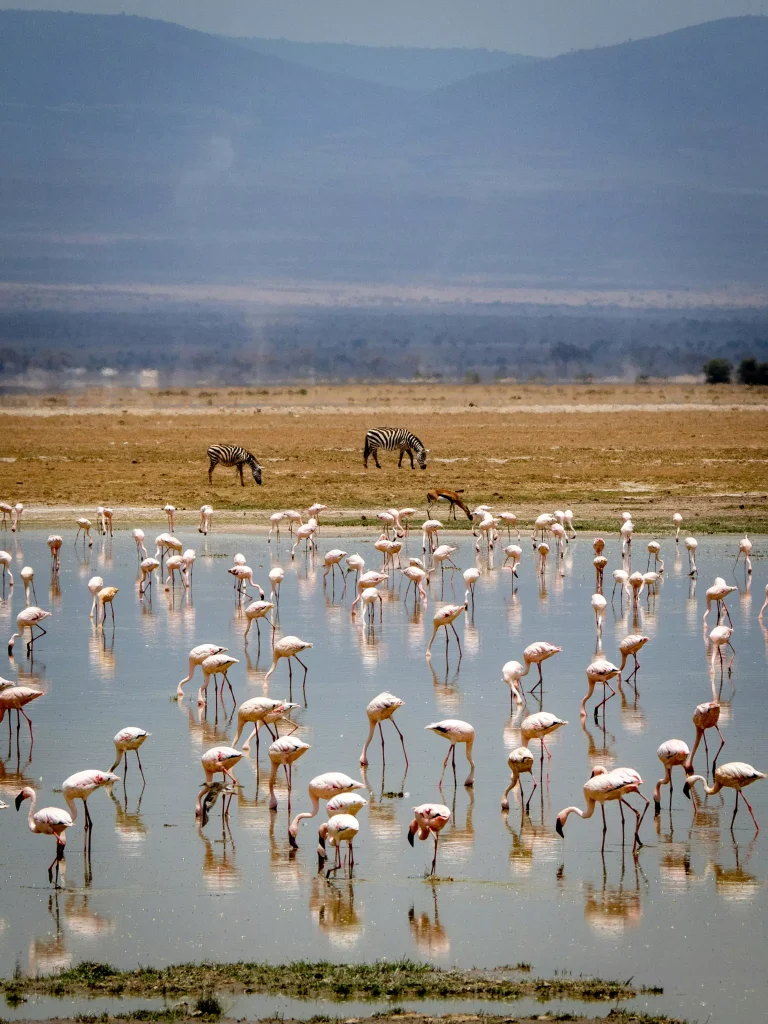
Numbers vary enormously with water levels, and recent flooding has reduced both the flocks and the lakeshore access.
When to go
Dry season and the most reliable game viewing, with animals concentrated near permanent water.
Migratory birds arrive and the park is at its best for birding. The short rains fall in November.
The long rains. Roads can flood, parts of the lakeshore become inaccessible, and the park is very quiet.
How long to stay
Getting there
Two hours from Arusha on tarmac, with the main gate just past the town of Mto wa Mbu.
There is an airstrip on the escarpment above the park with scheduled flights year round.
Entering from the south lets you traverse the full length of the park on the way to Ngorongoro — a far better drive than the main road.
Good to know
TANAPA is blunt about this: lions across Africa rest in low branches, probably to escape flies, and Manyara’s are not a separate behaviour. Do not choose the park for it.
A network of roads in a narrow strip. This is not a wilderness experience, and it does not pretend to be.
Water levels swing hugely between seasons and years, which changes what you see and where you can drive.
Permitted here, which is unusual on the northern circuit and worth doing if you stay over.
Offered when levels allow and cancelled when they do not. Never book a trip around it.
Disney’s designers visited in 1994; a Manyara baobab inspired the tree at the centre of Animal Kingdom.
The journeys
Manyara sits on the road to the crater, so it is easily added as a morning to any of these.
01
6 days · Tarangire, Serengeti, Ngorongoro
The first safari most people should take — baobabs and elephant herds, the crater floor at dawn, then the open plains.
Mid-range from $2,350 · Luxury from $4,500
View this journey →
02
6 days · Tarangire, Lake Eyasi, Ngorongoro
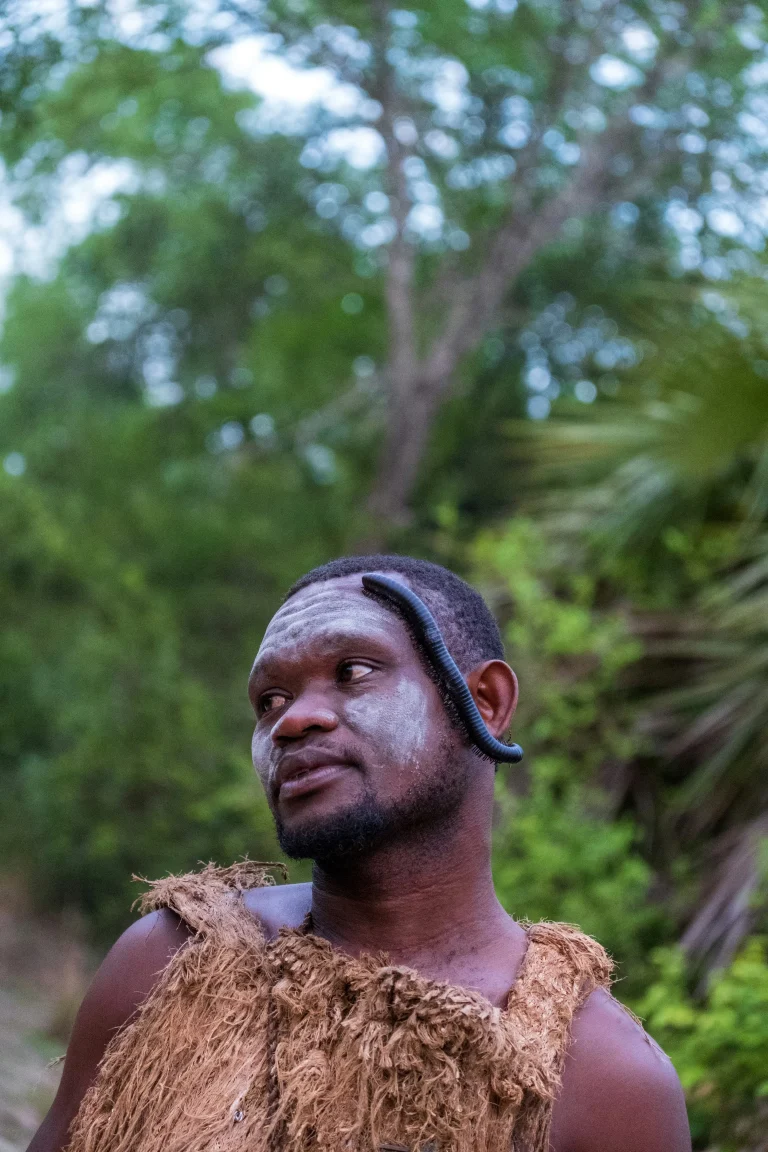
Time with Maasai and Hadzabe communities on their own terms, woven into a northern circuit that still gives you the crater floor and the elephant herds.
Mid-range from $2,400 · Luxury from $4,600
View this journey →
03
8 days · Serengeti & Ngorongoro
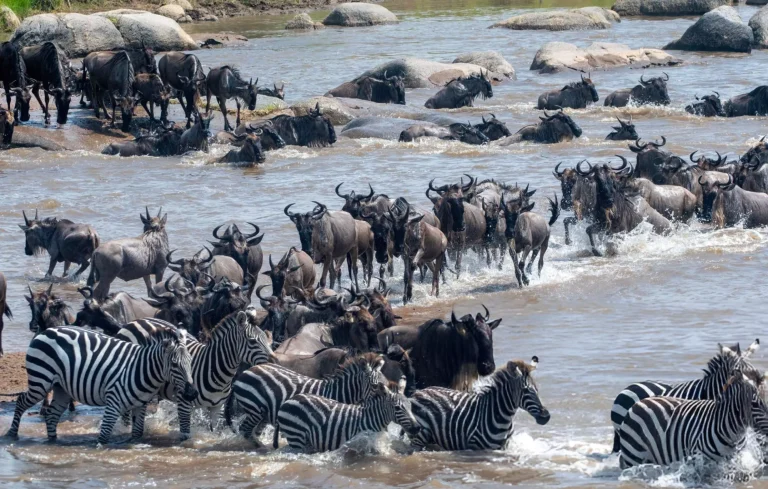
Timed to where the herds actually are, month by month. River crossings in season, calving on the southern plains in others — the route changes because the animals do.
Mid-range from $3,300 · Luxury from $6,300
View this journey →