Experience · The Big Five
Lion, leopard, elephant, buffalo and rhino — and an honest account of your chances on each.
What to expect
Is it for you
This suits you if: First-time safari-goers who want the icons, and anyone who values seeing all five over any single one. Families do well on this; the pace is forgiving.
You might prefer something else if: Travellers who need a guaranteed rhino photograph, or who would rather go deep on one species than tick five. Rhino especially is never a certainty (see below).
Timing
The Big Five are resident year-round, but the dry season concentrates them and makes spotting easier.
The most reliable window. Thinner vegetation and animals gathered around water sources mean more sightings in a day.
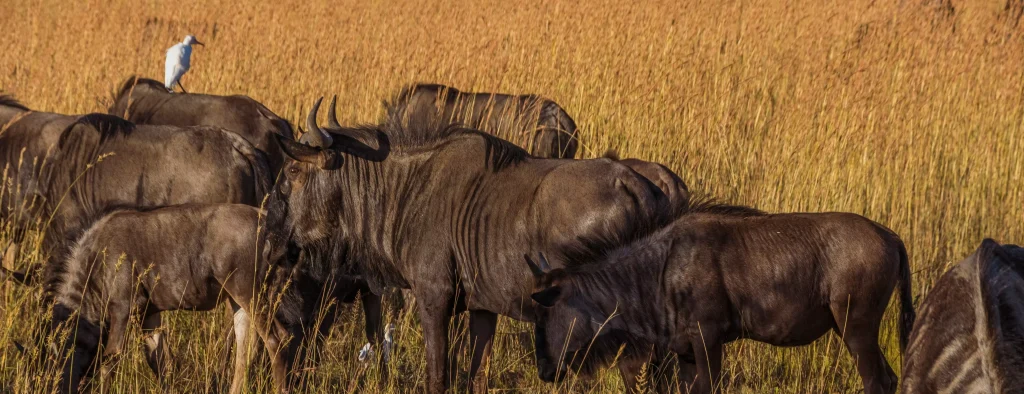
Dramatic predator action on the southern plains, fewer vehicles, and the crater still delivers rhino. A strong quieter alternative.
The rhythm
Early starts, because the cats are most active in the cool hours after dawn — your best chance at leopard and lion is before nine. A full day on the Ngorongoro Crater floor is the centrepiece: descend as the gates open and give the rhino zones time.
The journeys
Each of these covers the crater and the plains, which is where the odds are best.
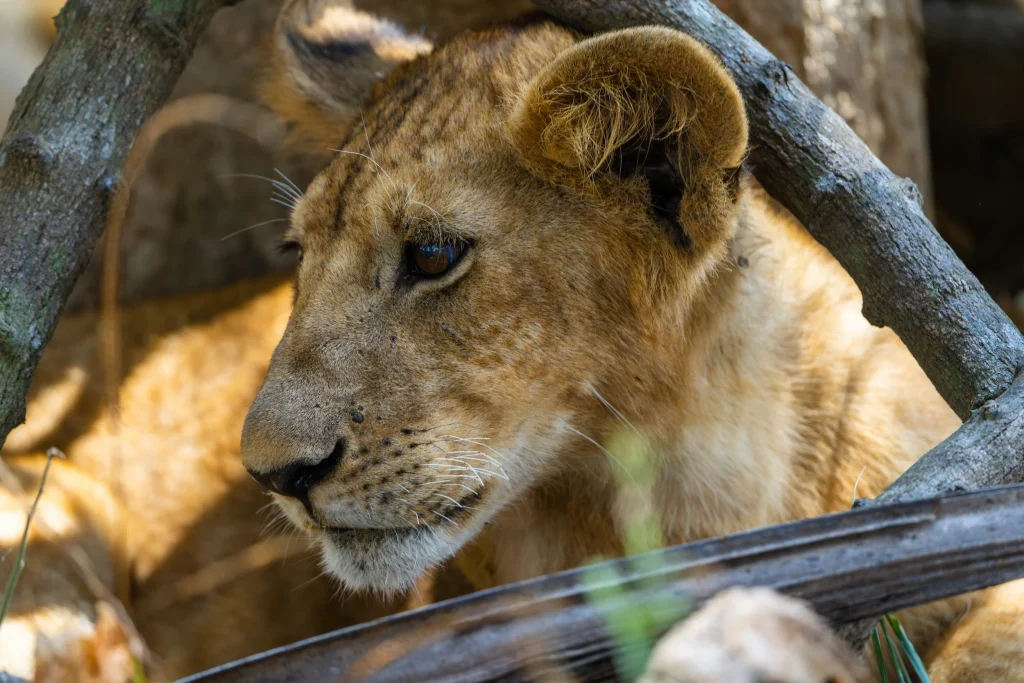
01
6 days · Tarangire, Serengeti, Ngorongoro
The first safari most people should take — baobabs and elephant herds, the crater floor at dawn, then the open plains.
Mid-range from $2,350 · Luxury from $4,500
View this journey →
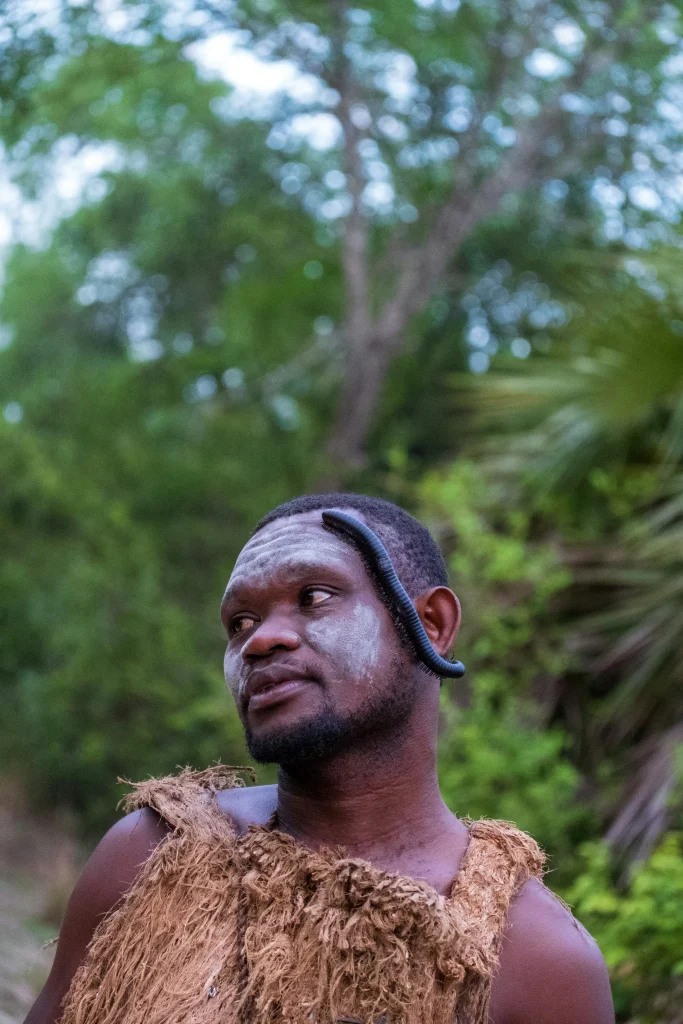
02
6 days · Tarangire, Lake Eyasi, Ngorongoro
Time with Maasai and Hadzabe communities on their own terms, woven into a northern circuit that still gives you the crater floor and the elephant herds.
Mid-range from $2,400 · Luxury from $4,600
View this journey →
03
8 days · Serengeti & Ngorongoro
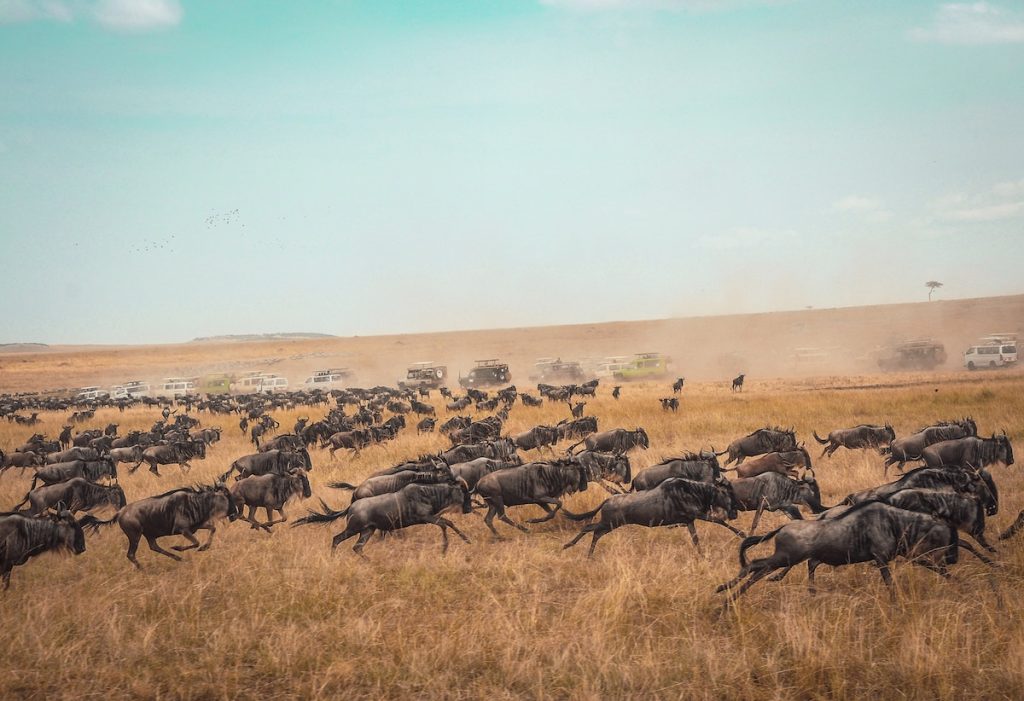
Timed to where the herds actually are, month by month. River crossings in season, calving on the southern plains in others — the route changes because the animals do.
Mid-range from $3,300 · Luxury from $6,300
View this journey →
Honestly
Honest odds, species by species. Buffalo, elephant and lion are reliable across the northern parks. Leopard is secretive rather than rare — the central Serengeti around Seronera gives the best chance, but it takes a good guide and some luck. Rhino is the hard one: critically endangered, with only around thirty in the Ngorongoro Crater, and sightings are never guaranteed. You may find one within minutes of descending, or spend a full day without. The crater is simply the best place in Tanzania to try.
Good to know